0
0

ISLAMABAD: An initiative was on Thursday launched aimed to support 20,000 health and care workers by investing in skills development, decent employment, occupational safety and health, gender equality and expanded social protection.
The project was launched by the government of Pakistan, United Nations Resident Coordinator Office, International Labour Organisation (ILO) and the World Health Organisation (WHO).
The first phase of the project will be implemented from July 2026 to July 2027, aiming to lay foundations to reach additional 80,000 health workers in a second phase.
Supported by the Joint Sustainable Development Goals (SDG) Fund and under the overall leadership of the United Nations Resident Coordinator, the project will contribute to Pakistan’s implementation of the Global Accelerator on Jobs and Social Protection for Just Transitions, enabling more resilient labour markets and improving health services.
The programme – Advancing Decent Work and Just Transitions in Pakistan through Health Sector Skills Development and Social Protection – was launched following the inaugural meeting of its Joint Programme Steering Committee, chaired by the Ministry of Overseas Pakistanis and Human Resource Development (MOPHRD) and the United Nations Resident Coordinator’s Office. The committee endorsed the programme’s governance arrangements and first-year implementation plan, reaffirming strong national leadership and coordinated implementation across government institutions and development partners.
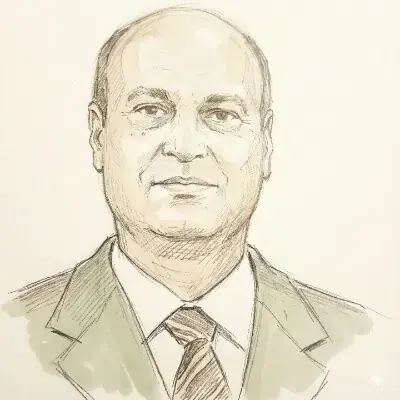
Nadeem Aslam Chaudhry, Secretary MOPHRD, reaffirmed the government’s commitment to placing jobs and social protection at the centre of Pakistan’s development agenda.
“The government has initiated catalytic investments under the Global Accelerator, but achieving transformational change requires broader partnerships. We invite development partners and international financial institutions to align their investments with Pakistan’s Global Accelerator Roadmap and help create more decent jobs, strengthen skills and expand social protection,” he said.
Representing the Ministry of National Health Services, Additional Secretary Health Laeeq Ahmed said the programme will be instrumental in strengthening health services as Pakistan advances reforms in nursing and allied health education.
“We encourage development partners to use the Global Accelerator as a common platform for coordinated investments that accelerate progress towards the Sustainable Development Goals,” said Afke Bootsman, Head of the United Nations Resident Coordinator’s Office.
“The health workforce is essential not only to effective health systems, but also to economic growth and social progress. Through this programme, we will support skills development, stronger labour market institutions, safer working conditions, the formalisation of employment and expanded social protection so that more health workers can access decent jobs and better opportunities,” said Geir Tonstol, Country Director of the ILO.
“Health systems are only as strong as the people who work to make them possible. WHO remains firmly committed to supporting Pakistan and partners in strengthening its health workforce and health systems at every level – guided by science – to build a healthier and stronger Pakistan for everyone, regardless of social or economic status, no matter where they live or who they are,” said WHO Representative in Pakistan, Dr Luo Dapeng.
Representatives of the World Bank and the United Kingdom’s Foreign, Commonwealth and Development Office (FCDO) reaffirmed their commitment to working with the government and UN agencies to strengthen Pakistan’s health workforce and advance decent work through the Global Accelerator.
Published in Dawn, July 17th, 2026