Climate change may lead to historic plunge in cotton production
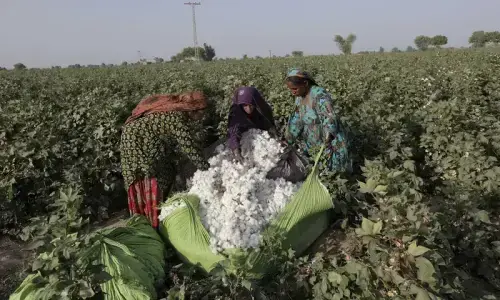
LAHORE: In a blow to the textile backbone, a record-breaking heatwave has triggered fears of a historic plunge in domestic cotton production, forcing ginning factories and textile mills to shut down units across the country.
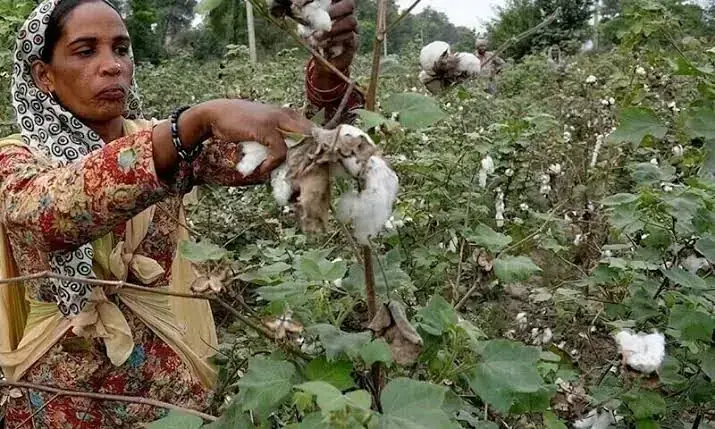
A mix of soaring temperatures, zero rainfall, and severe canal water shortages–particularly in Sindh–has pushed the cotton crop to the brink of disaster. The unprecedented heat has caused widespread wilting and severe pest infestations like mites and lice, stunting plant growth and heavily compromising both the overall yield and fibre quality. This sudden supply shock has forced the country to brace for a massive surge in expensive cotton imports.
The scarcity of cotton arrivals at processing centres has sent market prices skyrocketing. Lint prices jumped by Rs400 per maund in a single week, reaching Rs18,200 in Punjab and Rs17,700 in Sindh, with brokers warning of further hikes in the coming days.
Compounding the environmental crisis is the industry’s financial strangulation. Sector leaders blame a staggering 86pc sales tax burden on the ginning sector that went entirely unaddressed in the new federal budget. In major cotton hubs like Tando Adam in Sindh, ginning factories have closed down just a month after initiating operations.
Zero rainfall pushes crop to the brink; heat causes wilting, pest infestations
Meanwhile, in Rahim Yar Khan, Punjab’s second-largest cotton zone, locals are witnessing a bleak historical first: for the first time in fifteen years, not a single ginning factory is operational by the second week of July. As more textile mills go dysfunctional, industry experts warn of a looming wave of mass unemployment.
In response to the extreme weather, the Punjab Agriculture Department has issued an emergency advisory, urging farmers to shorten their irrigation intervals while reducing the water volume per cycle.
It is also advising growers to heavily spray micronutrients such as boron, and to apply a weekly mixture of two kilograms of potassium nitrate in 100 litres of water on early-sown crops to shield the plants from heat stress.
Expressing deep frustration over the state of the economy, Chairman of Cotton Ginners Forum Ihsanul Haq criticised the government’s fiscal choices. He pointed out that while governments worldwide do everything they can to promote domestic production, Pakistan has allocated over Rs800bn for charity schemes instead of industrial development. He argued that this capital could have fully revitalized over 1,600 major industrial units in a single year.
The forum has strongly urged both federal and provincial authorities to pivot their strategy toward business growth, stating that reviving the industrial sector is the only sustainable way to repair the economy and finally end the country’s reliance on the International Monetary Fund.
Published in Dawn, July 13th, 2026