Pakistan, US make 'significant progress' in talks on proposed reciprocal trade agreement
Pakistan and the United States made “significant progress” in a fresh round of negotiations on a proposed reciprocal trade agreement, Foreign Office (FO) spokesperson Tahir Andrabi quoted the commerce secretary as saying on Saturday.
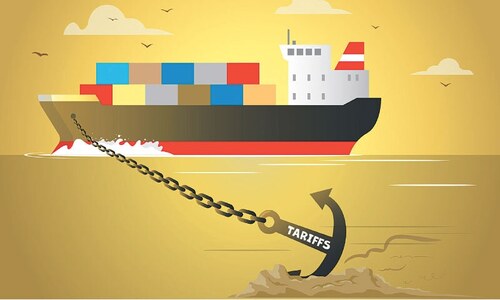
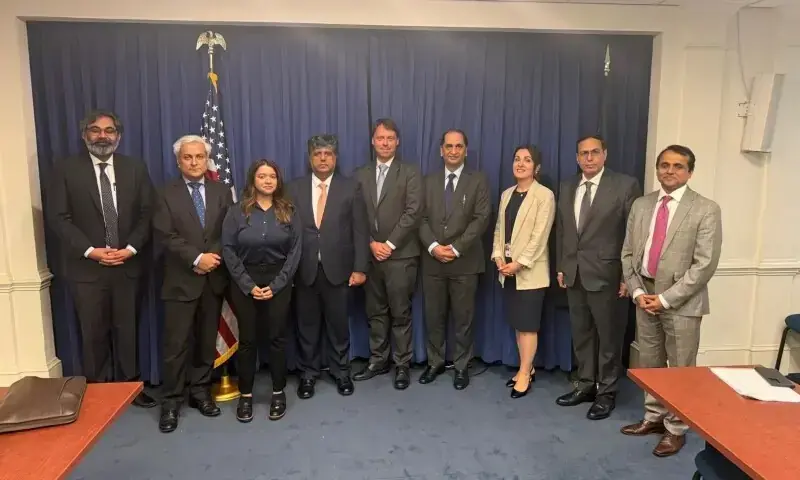
The two-day talks, held on Thursday and Friday in Washington DC, were led by Commerce Secretary Jawad Paul. They aimed to address tariff-related concerns and broaden economic cooperation between the two countries.
Paul “characterised the talks as positive and appreciated the significant progress made during the negotiations”, Andrabi said on X on Saturday.
“The talks were conducted in a cordial atmosphere, with both sides ironing out differences and building convergence, with a view to the early conclusion of the agreement,” said Andrabi, who was also a part of the talks.
The Pakistani delegation also included Overseas Pakistanis and Human Resource Development Secretary Nadeem Chaudhary and Joint Secretary (Tariff Policy) Mohammad Ashfaq, while officials from other ministries participated virtually.
Officials familiar with the discussions said the negotiations covered not only reciprocal tariff arrangements but also broader areas of economic cooperation, including energy, information technology, mining and investment.
The latest talks follow earlier engagement between Pakistani officials and the Office of the United States Trade Representative (USTR) on tariff concerns and commercial ties.
Pakistan is also among nearly 60 countries facing Section 301 investigations by the USTR over alleged forced labour and related trade practices. Islamabad has submitted detailed responses to the USTR, including another submission on Wednesday ahead of the talks.
Those discussions resulted in progress on tariff issues, with proposed US duties on certain Pakistani exports reportedly reduced from an initial 29 per cent to around 19pc in August 2025.
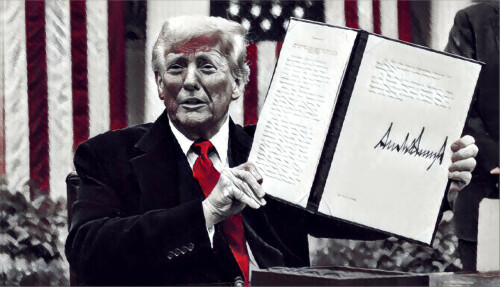
Announcing the finalisation of a trade deal then, US President Donald Trump had said both countries would “work together on developing their massive oil reserves”.
Islamabad and Washington have expressed interest in increasing collaboration in areas such as critical minerals, energy development, information technology and emerging economic sectors.
Islamabad has also continued to seek greater market access for Pakistani exporters, particularly in sectors with strong potential in the US market.
The US is Pakistan’s largest single-country export market, while Pakistan is the second largest importer of US cotton, underscoring the importance of the economic relationship between the two countries.