When you’re playing a video game, you cross one level, enter another and then another, but suddenly you notice your character is still stuck at the initial stage. Not powerful enough. No strength. Barely surviving.
At that point, you want to upgrade, hit harder, run faster or survive longer. But why does an upgrade even happen in the first place?
The answer is simple: an upgrade gives your character the extra power it needs to survive tougher battles and progress through the game. But if you don’t have enough in-game currency, those upgrades remain locked. The option is there, but it stays greyed out, no matter how many times you press it.
The same thing applies in real life. Our bodies work in a similar way, but with one major difference. A game character is already fully grown and complete. It doesn’t need food to develop; it only needs temporary boosts to become stronger. Humans are the opposite. We don’t need superpowers. We need proper nutrition to grow, and that nutrition has to arrive at the right time. That ‘right time’ is childhood. And for millions of children in Pakistan and around the world, it simply wasn’t available when they needed it most.
So when a child doesn’t get the nutrients their body needs, they become malnourished, and the effects show up in both physical and mental development. Most people imagine a starving child or a skeletal mother when they hear the word ‘malnutrition’. Those are extreme examples, but malnutrition isn’t limited to that. It simply means the body isn’t getting the nutrients it needs, and that can show up in more ways than one.
The invisible hunger
The important thing is that malnutrition isn’t limited to the underprivileged — it’s happening everywhere, often without people even realising it.
For example, some children are dangerously thin for their height because they have lost weight rapidly or are unable to gain enough weight. This condition is called wasting. It is usually caused by not getting enough nutritious food, repeated illnesses or a combination of both.
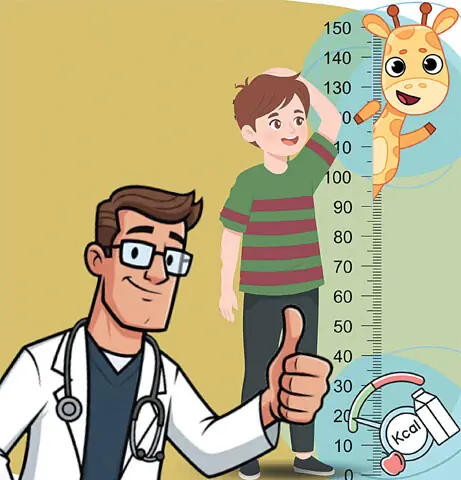
Some children are stunted instead, which is different. It develops slowly over months or even years of not getting enough nutritious food and shows up as height that never quite catches up, even if the child starts eating properly later. In simple words, a wasted child looks visibly thin right now, while a stunted child might not look ill at all, just shorter than expected.
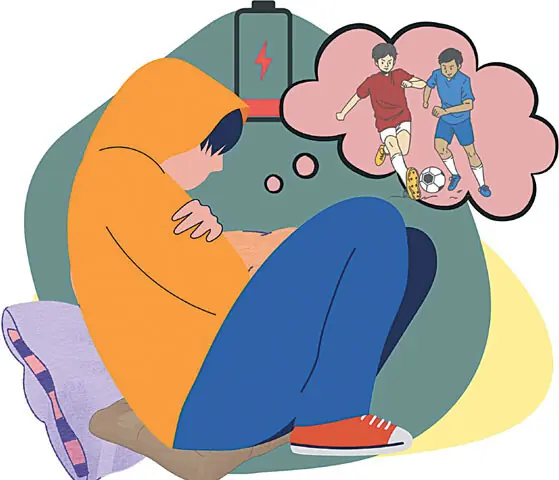
Then there’s another kind of malnutrition, one that affects a large number of children and teenagers. It happens silently inside the body. A person may look perfectly healthy but still be low in essential vitamins and minerals, such as iron, vitamin D or vitamin A. These nutrients are only needed in small amounts, but the body depends on them every single day. This is called a micronutrient deficiency, and it is the most invisible form of malnutrition.
It is shocking to know that low vitamin D levels can leave bones soft and weak, cause pain, slow growth and increase the risk of fractures. Low vitamin A, on the other hand, weakens the immune system and eyesight, causing children to fall ill more often and, in severe cases, affecting their vision in low light.
Pakistan has all of these forms of malnutrition happening at once. The National Nutrition Survey (NNS) 2018, conducted by the Government of Pakistan with UNICEF and Aga Khan University, found that 62.7 per cent of children had vitamin D deficiency, described in the report as a “high prevalence”, while over half were deficient in vitamin A.
Sadly, many parents don’t even realise their children are malnourished because they don’t ‘look’ malnourished. While most of these problems can be improved, stunting is permanent. It is a lifelong physical reminder of what didn’t happen at the right time.
The point worth mentioning here is that malnutrition isn’t limited to the underprivileged — it can affect anyone, often without them even knowing it. Think about yourself. Do you rarely feel hungry? Are you constantly low on energy, irritable for no reason or always catching the latest cold? Do your hair and nails grow slowly? Are you tired no matter how much you sleep? These can all be signs that your body is running low on important nutrients.
It’s never too early to start looking after your health. Everything else can wait.
Living on snacks!
Let’s recap the week that just passed. How many proper meals did you replace with coffee, a cupcake or a quick sandwich because you were rushing to meet friends? The point isn’t the food itself. It’s that you had a choice, and convenience won.
More often than not, taste and what looks good on an Instagram story matter more than what your body actually needs. Over the past decade, the situation has become even messier. Some children are underweight and stunted. Some are overweight. And many are both at the same time. The same child can be eating too much of the wrong food while still missing the nutrients their body needs. It’s like a game character with a full stamina bar but an empty health bar.
Deep down, your body is still starving for vitamins, minerals and all the nutrients that never made it onto your plate. What you eat today doesn’t just fuel today. Think of it as paying into a nutrition bank, one your body builds up so it has something to draw on later when you’re studying for exams, playing sports, fighting off illnesses or simply growing.
Skip home-cooked meals for loaded fries too often, survive on coffee and chocolate cookies through exam season, and eventually that bank starts running empty. Your body will always pay you back for what you put into it. Giving it the nutrients it needs is the real upgrade.
The power is yours!
Yes, you! Your generation has more information and influence than any before it. With one post, one video or even one conversation, you can get thousands of people talking about something that truly matters. Start the conversation. Keep the topic alive until the people in power can no longer ignore it. You already know how to do that. You probably know it better than I do.
History remembers generations for the problems they solved, not just the trends they followed. You still have time to decide whether your generation will be remembered for the trends it created or for being the one that finally put health before everything else and made malnutrition history.
Published in Dawn, Young World, July 11th, 2026