0
0

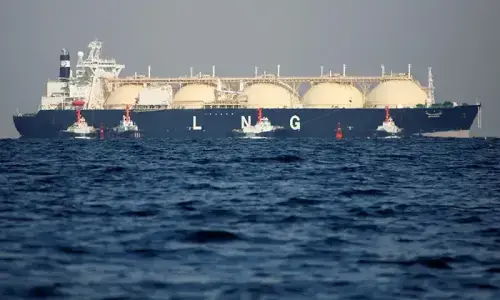
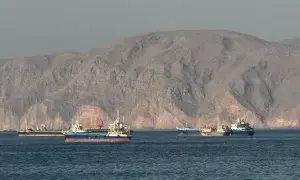
IS the fragile US-Iran ceasefire — and the memorandum of understanding that underpins it — collapsing? Unless deconfliction measures kick in, and both sides show restraint, a return to wider hostilities seems very likely. The latest round of violence was sparked by suspected Iranian attacks on vessels in the Strait of Hormuz; the ships were apparently targeted because they were not following routes designated by Tehran.
The US retaliated by attacking Iranian facilities early on Wednesday, prompting Tehran to hit sites in Kuwait and Bahrain that it claimed were US facilities. But what has raised eyebrows is US President Donald Trump’s comment that the MoU with Iran is over, and that talks with the Islamic Republic were a “waste of time”. It should be remembered that Mr Trump earlier scuttled the Iran nuclear deal during his first presidency, therefore his threats cannot be taken lightly. But while using unparliamentary language to describe the Iranians, the US leader paradoxically also left the door open for dialogue.
A return to hostilities suits no one, except perhaps the eternal warmongers in Israel. Both sides need to climb down, and prevent the cycle of violence from escalating. The next few days will be critical to see whether or not the MoU and the ceasefire are able to survive. Iran must ensure free movement through Hormuz, as choking the strait will effectively throttle the global economy.
For its part, the US must dial down its rhetoric, and let diplomacy continue. Mr Trump’s bombastic threats do little to help the peace process, and in fact validate the position of hard-liners within the Iranian ruling set-up who have long said that America cannot be trusted. Moreover, the world knows that Israel is not happy with the prospects of US-Iran peace, and will do — and perhaps is already doing — all possible to thwart efforts in this direction. Both sides must be wary of Tel Aviv’s destructive capabilities.
The US should consider reinstating the waiver granted to Iran in the MoU allowing it to sell its oil. The waiver was cancelled as the latest round of hostilities resumed. Moreover, Israel’s continuing attacks on Lebanon must stop; the Iranians have cited the violence in the Arab state as a threat to the peace process.
Mediators, such as Pakistan and Qatar, should redouble their efforts to save the truce. Making the ceasefire work was never going to be easy, and it is crucial to prevent p1eace efforts from falling by the wayside. The alternative to this is a return to war, which will have devastating consequences for the region’s people, and the global economy. That makes it imperative for the signatories of the MoU, as well as regional states, to continue the quest for peace in the Gulf.
Published in Dawn, July 9th, 2026