MOSCOW: Russia banned diesel exports on Wednesday to “stabilise” a worsening fuel crisis caused by weeks of intensifying Ukrainian strikes on energy infrastructure, with regions across the country experiencing shortages.
More than 90 percent of Russian regions have experienced fuel rationing or shortages since June, according to local media reports and statements from officials.
“A ban on diesel fuel exports went into effect today, which will allow for increased supplies to the domestic market,” Deputy Prime Minister Alexander Novak said during a government meeting with President Vladimir Putin, adding that the measure was intended to “stabilise the situation”.
The government later released a statement that the ban will be in effect until July 31.
“The decision was made to maintain stability in the domestic fuel market,” it said, adding that “the restrictions will not apply to diesel fuel exported from Russia under international inter-governmental agreements”.
Ukraine has hit Russian refineries as far as Siberia’s Omsk region, with some regions introducing limits on the amount of fuel sold per customer, while others have banned filling jerry cans with fuel to prevent hoarding.
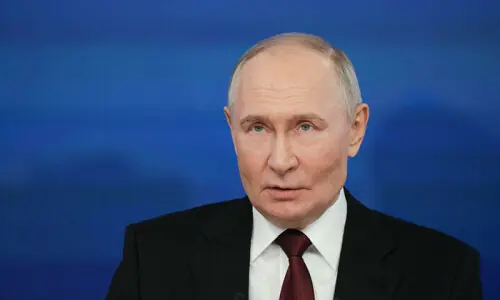
The shortages have led to Russians queueing for hours for fuel in some regions, with social media videos showing people arguing at petrol stations. Putin — who recently acknowledged the fuel shortages but said they were “not critical” — said that Kyiv was trying to create a “nervous situation in society” as well as “damage Russia’s economy”.
“We and you understand that it is an unachievable task,” he said, adding that Russia’s energy system had “one of the highest safety margins in the world”. Putin also ordered officials to solve the fuel crisis “as soon as possible” in Kremlin-annexed Crimea, where shortages have been especially severe.
Ukraine has targeted Russian energy infrastructure — especially oil refineries and depots — for months, in retribution for Moscow’s dragging offensive and in a bid to force Russia to the negotiating table.
Published in Dawn, July 9th, 2026