High interest rates stifling growth, warn industry leaders
KARACHI: Industry leaders warn that further tightening of monetary policy may significantly reduce private-sector economic participation, as high borrowing costs have already limited access to credit.
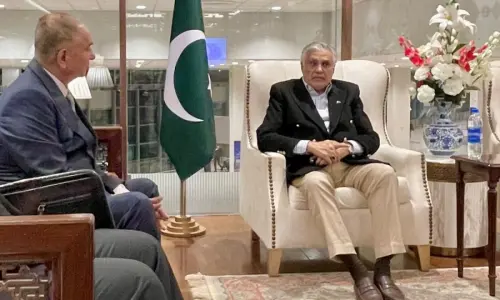
The State Bank of Pakistan has assured the visiting International Monetary Fund (IMF) mission, which concluded its discussions on the upcoming budget on Thursday, that it will maintain a tight monetary policy to contain inflation, but the impact on economic growth was not considered.
At its last monetary policy review on April 27, the SBP raised its policy rate by 100 basis points to 11.5 per cent after keeping the rate steady for almost two years, citing an upsurge in inflationary pressures driven by the war in the Middle East, a move that was widely criticised by the trade and industry.
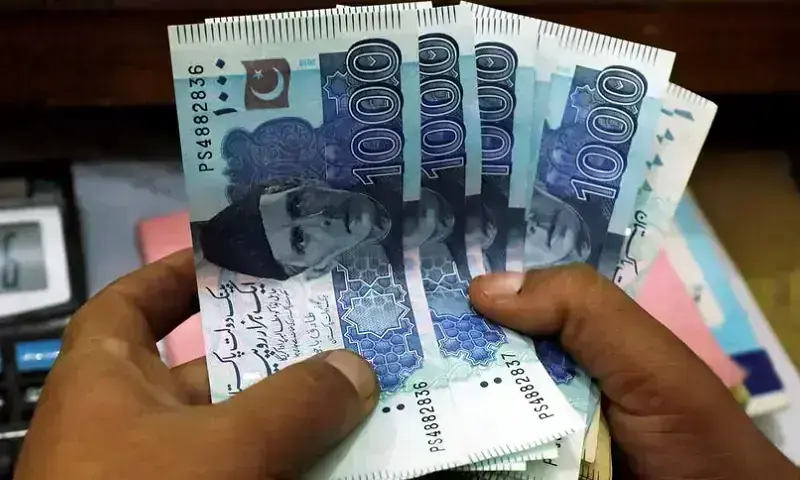
The high cost of money has made the private sector reluctant to borrow from banks.
Say expensive loans and energy costs make exports uncompetitive
In its half-yearly report on the State of the Economy for FY26, the central bank expressed deep concern over the poor growth in the private sector credit.
The report said the private sector credit (PSC) grew by 0.9 per cent (YoY) as of the end of December 2025, compared to a 22.8 per cent increase in the same period last year.
“If the tight monetary policy means a further increase in the interest rate, it would be devastating for the industry already crippling at its lowest ebb,” said Saqib Fayaz Magoon, Senior Vice President of FPCCI.
“We have been facing a very tough situation with the high cost of production due to expensive money and unprecedented energy prices, which made us uncompetitive on the international market,” he said, adding that the interest rate is the highest in the region.
In a meeting with the IMF mission, the State Bank reiterated its commitment to maintaining a tight monetary policy stance to anchor inflation expectations and to continue closely monitoring potential second-round effects from energy price increases.
Energy prices are fluctuating in the international market on a day-to-day basis, but the situation in the Gulf region remains unclear. The government has kept petroleum and LNG prices at the highest level compared with regional prices.
“If the cost of borrowing remains high, there is no chance for the industry to grow in this country,” said Amir Aziz, a textile exporter. He said his company is unable to bear the cost of production and could lose the European market to cheaper Chinese, Indian and Bangladeshi products.
The industry is unable to create new jobs. Instead, the largest textile sector has been facing a tough time since domestic consumption has dropped significantly and persistently; the purchasing power of ordinary Pakistanis has been declining for years.
“Our consumption is sustained only by high remittances, totalling about $40bn, which, in rupee terms, means the economy receives over Rs11 trillion each year through money sent by overseas Pakistanis, keeping consumption at a certain level and protecting the economy, where 100 million people live below the poverty line,” said S.S. Iqbal, a money market expert.
Published in Dawn, May 30th, 2026