0
0

ON April 3, Pakistanis woke up to news that no citizen of any country should have to absorb over morning tea: petrol prices had risen by Rs137 per litre overnight. Indeed, a part of the increase was rolled back a few days later, even the current prices are enough to roll through every kitchen, every school van, every rickshaw, every clinic and every construction site across the country. For a family spending Rs25,000 monthly on groceries, economists estimate, the bill will climb to Rs32-35,000 in the weeks ahead, not because of luxury spending, but because wheat travels by diesel trucks and vegetables arrive by road.
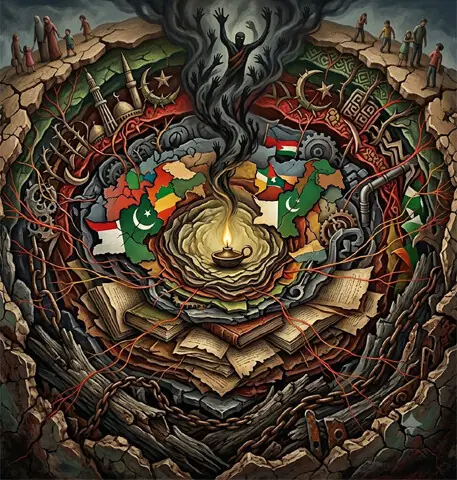
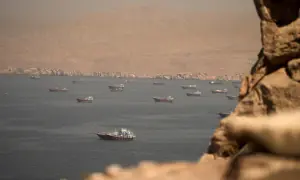
The immediate trigger, of course, is the closure of the Strait of Hormuz. That single chokepoint carries 20 per cent of the world’s oil supply, including the overwhelming majority of Pakistan’s petroleum imports from Saudi Arabia and the United Arab Emirates. But here is what demands honest reckoning: this crisis was not born recently. It took 70 years in the making.
Pakistan placed all its energy eggs in the Gulf basket, and never questioned why. The Iran-Pakistan gas pipeline was shelved under American pressure. Direct oil trade arrangements with Russia during the Ukraine war were hesitantly pursued and never institutionalised. All this while, Balochistan sits atop an estimated nine billion barrels of oil reserves that remain largely unexplored, not because the geology is uninviting, but because successive governments found it easier to import than to invest. Solar capacity spike out of individual desperation was never scaled into a national grid policy for hospitals, schools or streetlighting. These were not failures of circumstance. They were failures of vision, deferred by governments thinking only about the next election.
The people’s anger is legitimate. But protests alone will not fix circular debt touching Rs79 trillion, nor diversify supply chains that should have been built decades ago. Pakistan’s leadership must stop treating energy policy as a crisis-manage-ment exercise, and begin treating it as a national security imperative. A serious commitment to domestic oil exploration, revival of the Iran-Pakistan gas pipeline discussions, solar integration at the grid level, and transparent fiscal reforms are no more radical ideas; they are survival requirements.
The middle and lower-middle classes in Pakistan cannot keep absorbing the cost of elitist short-sightedness. The time for incremental half-measures has long passed.
Muhammad Faizan Ali
Karachi
Published in Dawn, April 8th, 2026