Hide, find water: Ex-airmen detail how to survive being shot down
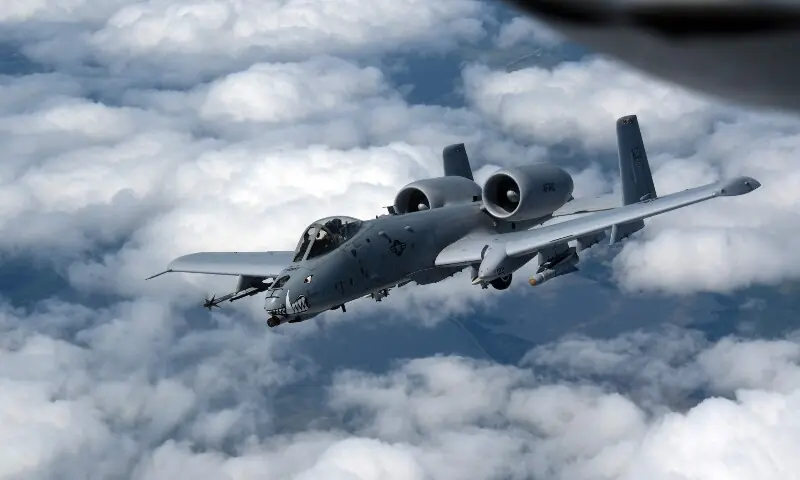
As American forces race against time and Iran’s military to locate an aviator reportedly shot down, a former Air Force pilot and a rescuer told AFP what it takes to hide, survive and extract someone behind enemy lines.
“You’re like, ‘Oh my God, I was in a fighter jet two minutes ago, flying 500 miles an hour, and a missile just exploded, literally 15 feet from your head,’” said retired brigadier general Houston Cantwell, who is now at the Mitchell Institute for Aerospace Studies.
That said, a pilot’s training — known as survival, evasion, resistance and escape (SERE) — would likely kick in before he or she parachutes to the ground.
“Your best view of where you may want to go or where you may want to avoid is while you’re coming down in your parachute,” Cantwell said.
Cantwell logged 400 hours of combat flight experience, including missions over Iraq and Afghanistan.
Parachuting to the ground risks foot, ankle, and leg injuries, the former airman explained.
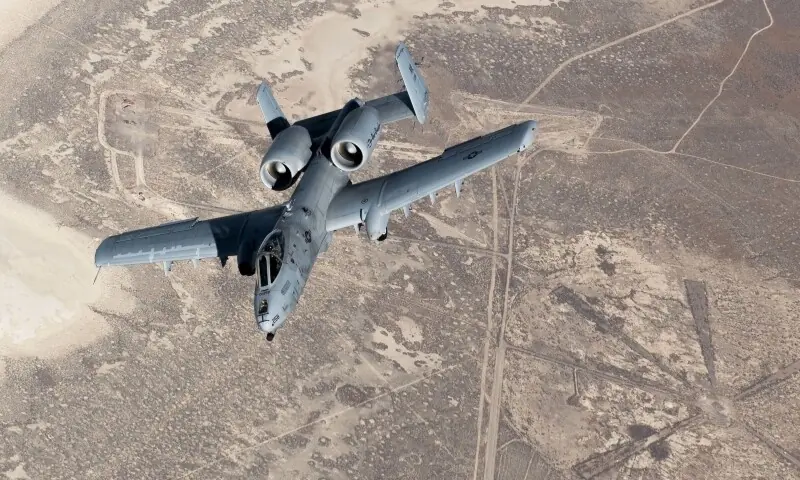
“There are many stories of survivors from Vietnam that had severe injuries — compound fractures — just from the ejection,” he said.
Upon landing, “take an inventory of yourself to figure out, what condition am I in? Can I even move? Am I even mobile?” Aviators then figure out where they are, whether it is behind enemy lines, where they can hide, and how they can communicate.
“Try to avoid enemy capture, as long as you can,” Cantwell said. “And if I were in a desert environment, I’d want to try to find some water.” Simultaneously, Combat Search and Rescue (CSAR) teams — highly trained soldiers and pilots already on alert — would be activated.
“It gives you tremendous peace of mind, knowing that, you know, they’re going to do everything they can to come get you,” Cantwell said. “At the same time, they’re not going to come on a suicide mission.” That’s where the missing crewmember can increase the odds of a safe rescue.
“My priority would be, first of all, concealment, because I don’t want to be captured,” he said. “I want to try to get to a location where I can get extracted.” In a city, that may be a rooftop. In a rural setting, a field where helicopters can land. Movement is best at night, he said.
Cantwell said that when he flew, he also carried a pistol.
Rescue mission
Meanwhile in a “ready room,” CSAR soldiers like retired master sergeant Scott Fales suit up.
Experts like Fales — a pararescue jumper who played a key role in the 1993 “Black Hawk Down” incident in Mogadishu, Somalia — are always standing by whenever US aircraft are over enemy territory.
“Before any operations are conducted… there is always a CSAR plan,” Fales told AFP.
Simultaneously, an immense amount of intelligence is gathered and analysed on the location and status of the missing aviator.
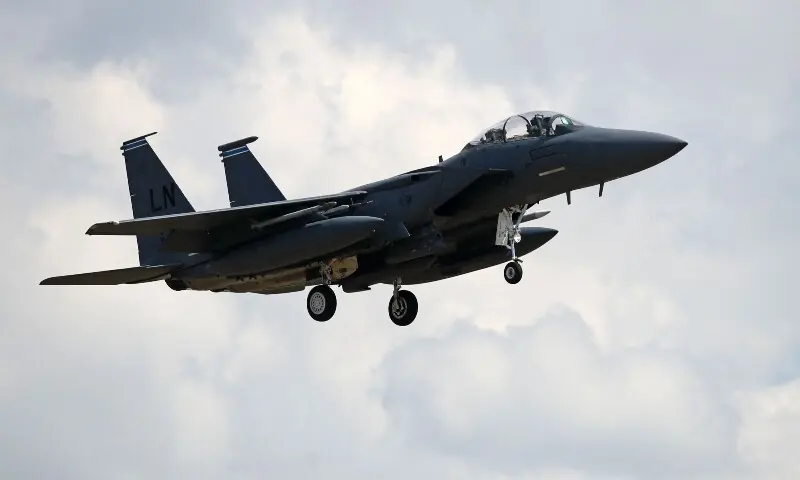
“Everything from human intelligence to imagery intelligence, to you know, all the different drones we have looking — signals intelligence,” Fales said.
“It’s all being used to try to find this guy.” Once the missing aviator is located, a rescue plan is formulated in real time inside the helicopters.
“Those gunners are spotting and looking for threats, the pilots are looking for a place to land, we’re reaching out to that downed aviator,” he said.
On the ground, they ensure the pilot is actually the person they are searching for, and a threat-versus-medical-needs assessment is done.
In their minds, Fales said: “What kind of immediate threat are we in? How much time do we have to get this person out? What kind of injuries do they have? And then we’ll make up our mind on the type, amount of treatment that’s needed on the scene — or do we just grab and go depending on the threat?” With a fellow soldier still unaccounted for in southwest Iran, Fales said he’s “very hopeful” the aviator will be located.
“I’m hoping that friendly people have found him and are hiding him,” he said. “Or he’s still evading. “