KP transporters jack up intercity fares by 20pc on their own


 0
0
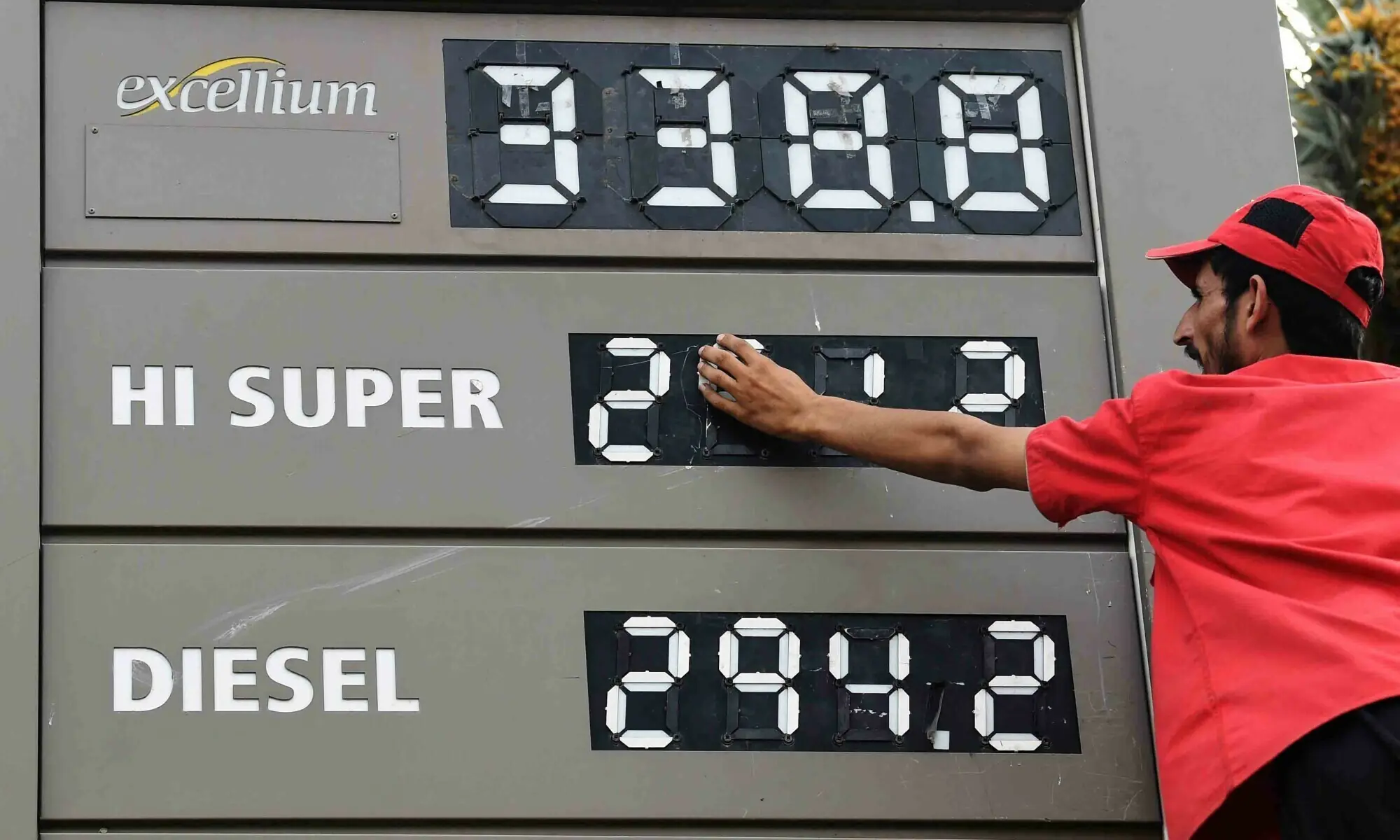
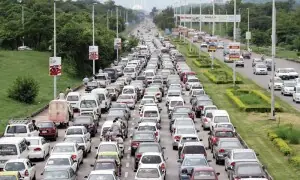
PESHAWAR: Transporters have increased intercity fares in Khyber Pakhtunkhwa by 20 per cent on their own following the recent hike in petroleum prices.
However, fares for inter-district transport vehicles within the province have kept unchanged for the time being.
Khyber Pakhtunkhwa Transport Owners Association president Khan Zaman Afridi told Dawn that the association’s office-bearers decided in a meeting on Monday to increase fares for long-distance routes, including Lahore and Karachi, by Rs1,000 per passenger.
He, however, said fares for transport vehicles operating between districts in the province would be increased after a few days.
Oil dealers claim price surge provided Rs152bn benefit to companies ‘overnight’
“We have also contacted the provincial government’s transport department, but no official fare notification has been issued so far,” he added.
Meanwhile, spokesperson for the Petroleum Dealers and Cottage Contractors Association Najibullah told Dawn that the recent increase in petroleum prices had put an additional financial burden on dealers while fuel sales had declined by nearly 70 per cent.
He rejected claims that dealers had benefitted from the recent oil price hike.
“We used to receive a margin of Rs6 per litre and still get the same amount. On the contrary, due to the drop in sales, our expenses have increased while the number of employees remains the same,” he said.
Mr Najibullah claimed that neither the national exchequer nor fuel dealers had benefitted from the recent surge in prices and that the government had provided a benefit of Rs152 billion to oil companies overnight.
“Oil companies have assumed the shape of a powerful cartel,” he said, adding that the federal government is collecting Rs134 per litre in taxes on petroleum products.
The spokesman said to overcome the crisis, the government should provide subsidies on petroleum products and discontinue the provision of free fuel worth around Rs300 billion to ministers and government officials.
Rejecting allegations of hoarding by dealers, he said officials from various government departments frequently carried out inspections and raids, making such practices nearly impossible.
“I say that if any dealer is caught hoarding fuel, they should not be fined Rs100,000 or Rs200,000 but Rs5 million,” he said.
Mr Najibullah said filling stations didn’t have oil springs on their premises nor were there any secret pipelines supplying fuel. He said dealers received only a limited quantity of a few thousand litres, so how anyone could hoard large amounts.
The spokesman said that a lockdown similar to the one implemented in the past could help control the crisis.
He said that when the international price of petrol was around $60 per barrel, the price in Pakistan had been fixed at Rs270 per litre, whereas with the price now around $116 per barrel, the domestic price should be around Rs520 per litre.
Mr Najibullah said that unless the government adopted austerity measures, the country’s economic problems would remain unresolved.
On the other hand, the transport and mass transit department has yet to revise fares.
The provincial government on Monday approved the “fuel conservation and responsible government initiative” to save fuel in view of the global crisis.
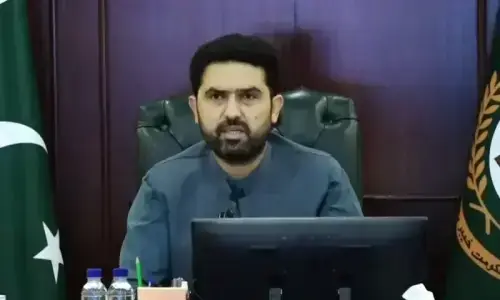
On Sunday, KP Chief Minister Sohail Afridi announced a fuel subsidy scheme for registered bike riders.
He said Rs2,200 would be provided to each of registered motorcyclists, with Rs1,100 immediately and Rs1,100 later on.
“The government will pay the additional cost for Bus Rapid Transit operations.”
The CM also announced that BRT fares would not be increased despite the prevailing economic pressures, in order to prevent further inflationary impact on commuters.
Published in Dawn, March 10th, 2026