0
0
LAHORE: The Government College University (GCU) Lahore on Thursday hosted a panel discussion on the prevailing geopolitical situation in Iran, Afghanistan and Pakistan, bringing together journalists and strategic affairs experts to examine how ongoing regional tensions including strikes on Iran and its response could shape politics, security and the economy in the wider region.
The panel featured retired Brig Syed Ghazanfar Ali, a defence and strategic affairs analyst; Salman Ghani, senior journalist and analyst and Prof Dr Muqarrab Akbar, Director of the Peace and Counter-Extremism Research Centre at Bahauddin Zakariya University (BZU), Multan.
GCU Registrar Dr Shaukat Ali, Department Chairperson Dr Fouzia Ghani and Advisor Students’ Affairs Siddique Awan were also present. The discussion focused on the Iran–Israel escalation and its possible long-term consequences, including the economic and humanitarian fallout for states caught in overlapping regional crises.
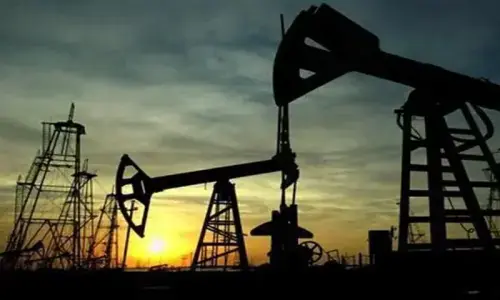
During the discussion, Prof Akbar said that in the prevailing global environment, wise use of energy resources was essential. He urged minimum petrol consumption and said the states aspiring to become global powers would need to reassess certain decisions. He also said Pakistan had the potential to emerge as a major regional power over time.
Mr Ghazanfar Ali described the Middle East as a region becoming increasingly complex, saying multiple actors were aligning to secure strategic interests.
He said Israel’s policies contributed to heightened tensions and, in his view, had drawn several countries into mutual disagreements. He urged the Muslim world to respond to the situation with unity and foresight.
Salman Ghani highlighted the role of universities in encouraging informed debate, saying GCU Lahore took the lead in addressing the currently evolving geopolitical situation with regard to Iran, Afghanistan and Pakistan by hosting an intellectually stimulating panel discussion on it.
He said the country stood with its armed forces and noted the scale of sacrifices made by Pakistan’s security forces. He also said recent regional disputes had compelled several nations to rally together once again.
Speakers also discussed the growing Iran–Israel tensions, Pakistan–Afghanistan relations, border disputes, and the economic and humanitarian dimensions of the conflict.
They maintained that present-day crises were not sudden developments but reflected decades of political differences, border-related issues and persistent security concerns.
The purpose of the discussion was to create awareness among students regarding regional and international affairs and promote academic dialogue.
Published in Dawn, March 6th, 2026