Oil leaps 3pc on supply concerns as Iran conflict widens

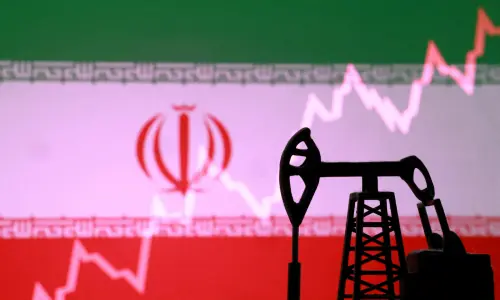
Oil prices surged more than three per cent on Thursday, extending a rally as the escalating US-Israeli war with Iran raised fears of prolonged disruptions to vital Middle East oil and gas supplies.
Brent crude advanced $2.65, or 3.26pc, to $83.99 per barrel by 05:20 (GMT), a fifth session of gains. US West Texas Intermediate crude rose $2.76, or 3.70pc, to $77.42.
Crude oil markets remained on edge as they face ongoing risks to supply following the attacks in the Middle East, and concerns are centred on the flow of supply through the Strait of Hormuz, ANZ analysts said in a note on Thursday.
Iran launched a wave of missiles at Israel early on Thursday, as the conflict entered its sixth day and just hours after moves to halt the US air assault were blocked in Washington.
On Wednesday, a US submarine sank an Iranian warship off Sri Lanka, killing at least 80 people, and Nato air defences destroyed an Iranian ballistic missile heading towards Turkiye.
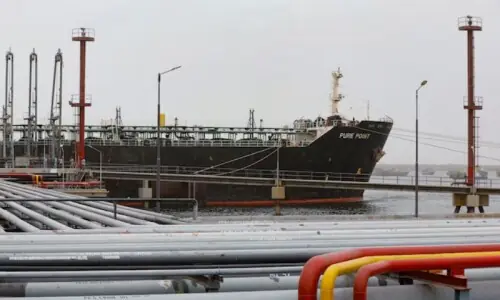
Iranian forces have struck oil tankers in or near the Strait of Hormuz. Explosions were reported near a tanker off Kuwait, according to the United Kingdom Maritime Trade Operations.
Iraq, the second-largest crude producer in the Organisation of the Petroleum Exporting Countries (Opec), has cut output by nearly 1.5 million barrels a day for lack of storage and an export route, officials told Reuters.
Qatar, the biggest liquefied natural gas (LNG) producer in the Gulf, declared force majeure on gas exports on Wednesday, with sources saying a return to normal production volumes may take at least a month.
Two oil traders said they held bullish expectations for oil prices as a quick resolution to this war seemed unlikely.
At least 200 ships, including oil and LNG tankers as well as cargo ships, remained at anchor in open waters off the coast of major Gulf producers, including Iraq, Saudi Arabia, and Qatar, according to Reuters estimates based on ship-tracking data from the MarineTraffic platform.
Hundreds of other vessels remained outside Hormuz, unable to reach ports, shipping data showed. The waterway is a key artery for around a fifth of the world’s oil and LNG supply.
China’s government has asked companies to suspend signing new contracts to export refined fuel, and to try and cancel shipments already committed, industry and trade sources said on Thursday.