The role of Clara Zetkin in establishing IWD
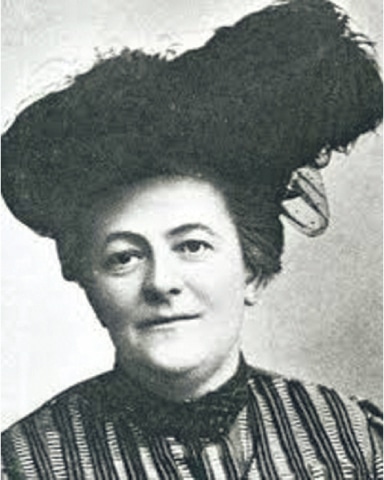
In 1910, during the second International Conference of Working Women held in the Danish capital of Copenhagen, German activist Clara Zetkin (1857-1933) proposed the idea of an annual Women’s Day. Her vision was to create a unified day across all countries to press for women’s demands and rights. This proposal received unanimous approval from over 100 women representing 17 countries, leading to the first International Women’s Day celebrations in 1911.
International Women’s Day’s flowers

In many countries, it is customary to give women flowers on International Women’s Day. The type of flower varies across regions, but the most common choice that cuts across is the yellow Mimosa, which represents sensitivity and strength.
The tradition can be traced back to Italy. In the early 20th century, Italian feminists chose the Mimosa as a symbol of the women’s rights movement. They selected this flower because it blooms in early March, coinciding with IWD. The Mimosa’s bright yellow colour represents vitality, sensitivity and resilience, all of which are qualities associated with women’s strength and femininity.
Women in space

On March 8, 1983, a remarkable milestone in history unfolded as Sally Ride became the first American woman to journey into space. This achievement coincided with IWD, adding a profound significance to the occasion. Sally Ride’s journey aboard the Space Shuttle Challenger not only shattered gender barriers in the male-dominated field of space exploration but also symbolised the limitless potential of women when given equal opportunities.
Published in Dawn, Young World, March 7th, 2026