0
0
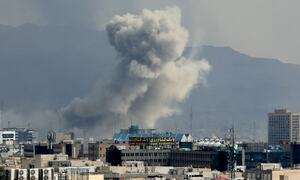
RAWALPINDI: Rawalpindi Chamber of Commerce and Industry President Usman Shaukat has expressed grave concern over the escalating conflict between the US and Iran, Israel, urging the Government of Pakistan to immediately utilise diplomatic channels to help de-escalate tensions and restore peace in the region.
“The business community strongly urges immediate diplomatic efforts to restore stability. Prolonged conflict will have devastating consequences not only for the region but also for Pakistan’s trade, economy, and overseas workforce”.
In a statement issued here on behalf of the business community, the RCCI President said that the ongoing war has created widespread uncertainty in global markets. International oil prices have surged sharply, posing a serious threat to Pakistan’s already fragile economy.
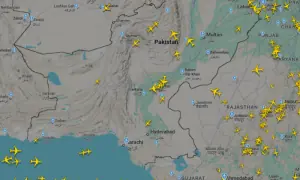
He warned that continued hostilities in the Middle East would severely hamper Pakistan’s trade with the region. Both exports and critical imports have been disrupted due to the cancellation of flights and suspension of shipping operations. The United Arab Emirates (UAE) remains Pakistan’s second-largest trading partner, while the country relies heavily on oil imports from the Middle East and liquefied natural gas (LNG) from Qatar.
Usman Shaukat further highlighted concerns regarding the Strait of Hormuz, recalling earlier warnings by Iran that its closure in the event of war could disrupt global oil supplies. Such a development would not only destabilise oil-producing economies but also severely impact energy-importing countries like Pakistan.
The RCCI President also expressed serious concern for overseas Pakistanis working in the Middle East, numbering in the millions. Hundreds of thousands are reportedly stranded due to suspended flights, while many Pakistanis currently in Saudi Arabia to perform Umrah require urgent arrangements for safe return.
The uncertainty has created anxiety among workers whose remittances are the backbone of Pakistan’s economy.
The business community is in shock, as exports to the Middle East are likely to remain suspended until the conflict subsides. Pakistan’s export sector is already facing stagnation despite the government’s ambitious plan to boost exports to $60 billion within three years.
The current regional war not only jeopardises this target but also threatens to significantly undermine overall export performance.
Usman Shaukat emphasised that peace and stability in the Middle East are crucial for Pakistan’s economic survival and growth. He called upon the international community to intervene urgently and pursue dialogue to prevent further escalation.
Published in Dawn, March 5th, 2026