Obesity a major modifiable risk factor for non-communicable diseases: minister


 0
0


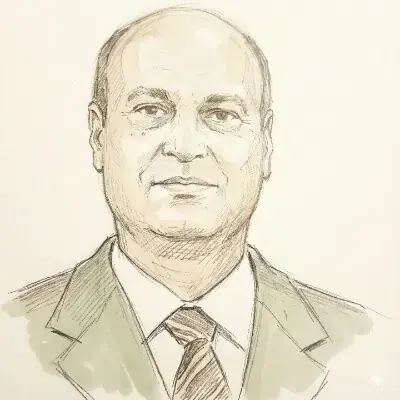
ISLAMABAD: Minister of State for National Health Services Dr Mukhtar Ahmad Malik has said obesity was a major modifiable risk factor for non-communicable diseases, including diabetes, cardiovascular diseases, and certain cancers, placing growing pressure on the country’s health system.
Speaking on the occasion of World Obesity Day, the minister highlighted that obesity cost Pakistan an estimated $3.41 billion in 2019, warning that the economic burden would rise significantly without sustained intervention.
He was chairing an event organised by the Ministry of National Health Services, in collaboration with Novo Nordisk, to highlight the urgent need for coordinated national action against obesity in Pakistan.
Addressing participants, Dr Mukhtar said nearly 38 million Pakistanis, approximately one in three individuals, were living with obesity, terming the situation alarming. He observed that women and urban populations were disproportionately affected, while childhood obesity was steadily increasing.
Says 38 million Pakistanis living with obesity
Stressing prevention, he underscored the need to improve lifestyles, promote balanced diets, discourage excessive fast food consumption, and increase physical activity.
He reiterated that obesity prevention had been integrated into national health planning, including under the Prime Minister’s Programme for Prevention and Control of Diabetes Mellitus (2024–2029), aimed at addressing the obesity-diabetes continuum through awareness, behaviour change, and early screening.
Health Secretary Hamed Yaqoob said obesity was a complex, chronic disease influenced by biological, environmental and social factors, reaffirming the ministry’s commitment to improving understanding, reducing stigma and expanding access to person-centred care.
Danish Ambassador to Pakistan Maja Mortensen emphasised that partnerships promoting knowledge-sharing and innovation were essential for sustainable, evidence-based health solutions.
According to estimates, by 2035, half of the world’s population, around four billion people, will be overweight or suffering with obesity.
On the other hand, childhood obesity has been rising rapidly, with rates among school-aged children increasing almost five-fold since 1975, particularly in low- and middle-income countries.
Obesity in childhood mostly continues into adulthood, increasing the risk of serious non-communicable diseases.
Published in Dawn, March 5th, 2026