0
0
PESHAWAR: The health department has decided to ensure the 250 basic emergency obstetric and newborn care facilities function round-the-clock and to establish 10 newborn units in as many district headquarters hospitals to reduce neonatal and maternal mortalities in Khyber Pakhtunkhwa.
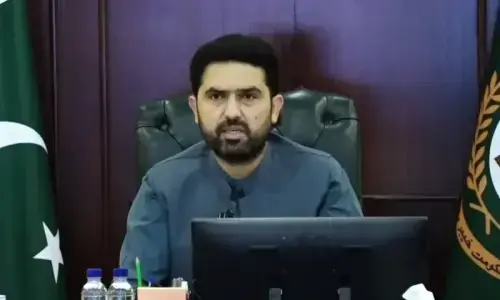
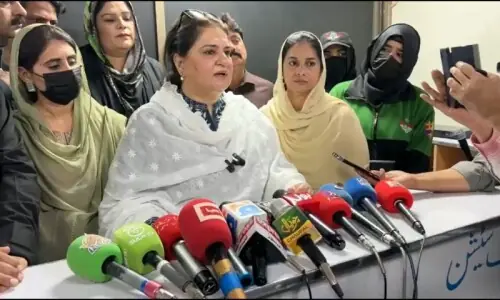
Dr Syed Ijaz Ali Shah, chief of Health Sector Reforms Unit (HSRU) of the health department, stated this during a briefing here on Tuesday.
Chief minister’s adviser on health Ihtisham Ali was also present.
Mr Shah said the move was part of the 115 initiatives started by the roadmap implementation committee of the department to improve patient care across the province.
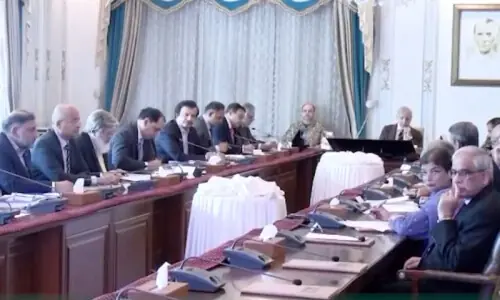
Director general health services Dr Shahid Yunis, director general Provincial Health Services Academy Dr Abdul Waheed and other senior officials were also in attendance.
The HSRU chief said under the provincial health roadmap, the department had focused on accelerating reforms across five major domains: strengthening primary healthcare, modernising secondary healthcare, improving human resources, enhancing health governance and digitalisation, and strengthening policy and regulatory frameworks.
He said a standard medicine list had been notified for both primary and secondary hospitals, and medical superintendents had been directed to ensure timely procurement and availability of the same.
The meeting was informed that routine immunisation was being integrated with polio eradication efforts. In 35 health centres of the southern districts, services have been further strengthened, while in 62 urban and peri-urban union councils of Peshawar, 93 per cent of zero-dose children have been vaccinated through the integrated evening outreach programme.
Province-wide, all three rounds of the big catch-up campaign have been completed, resulting in a 34 per cent improvement in vaccination coverage in low-performing union councils. Furthermore, extended vaccination hours in major hospitals have allowed the deployment of female vaccinators in 115 hospitals across the province.
Regarding secondary healthcare reforms, it was informed that PC-Is had been prepared for the establishment of level-III trauma centres and mammography services at seven divisional headquarters hospitals.
Similarly, work has commenced on setting up newborn care units at 10 district headquarters hospitals, with civil works, consultant selection, and procurement of equipment already in progress.
The meeting was informed that essential diagnostic equipment was being ensured at 90 per cent of secondary healthcare centres, while the Healthcare Commission had been directed to complete the categorisation of private laboratories and devise a mechanism for tariff setting.
Published in Dawn, September 10th, 2025