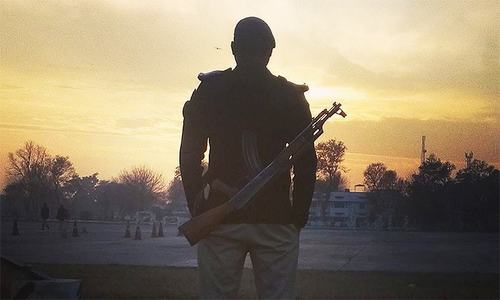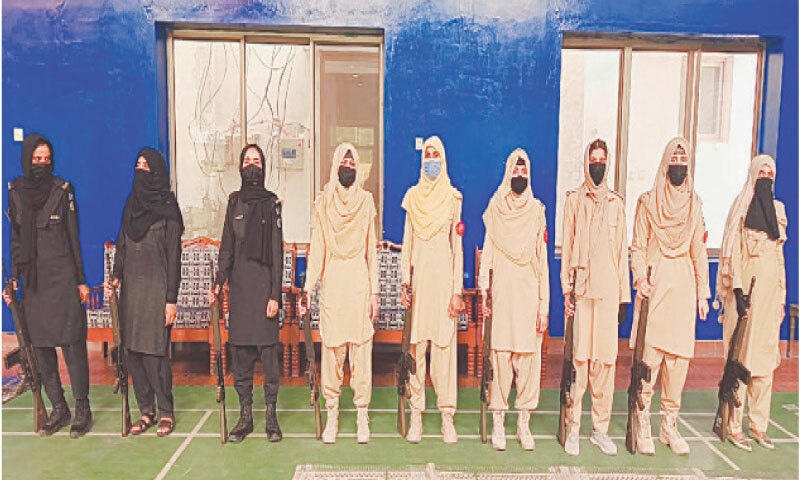
DERA GHAZI KHAN: The Border Military Police (BMP) has recruited female officers for the first time in its century-long history, marking a major change in its organizational structure. This initiative is aimed at safeguarding the rights of women in the traditionally male-dominated tribal society and enhancing the force’s operational capacity.
Historically, the absence of female personnel posed significant challenges in investigating crimes against women. The recent induction of both male and female recruits marks a major shift in the BMP’s approach to policing in the tribal belt.
After a 27-year delay, since the last recruitment in 1998, the BMP resumed hiring/recruitment to address challenges, including terrorism, smuggling, and broader law enforcement duties.
The latest recruitment drive includes 40 female recruits in Dera Ghazi Khan and 12 more in Rajanpur—an unprecedented move that signals progress toward gender inclusion.
New batch includes 40 female recruits from DGK and 12 from Rajanpur
Qasim Gill, the political assistant in the tribal area of Rajanpur, told Dawn that induction of female border military police officers would bring positive social change in the tribal society.
These new recruits are currently undergoing six months of advanced training at the Police Training College, Multan, which includes specialised modules from the Elite Police, aimed at instilling professionalism and tactical proficiency.
Despite crime rates being significantly lower in BMP-controlled areas compared to those under the jurisdiction of Punjab Police, the induction of a trained, gender-diverse force is expected to significantly boost security efforts—especially in high-risk zones like the Koh-e-Sulaiman region—by strengthening law enforcement and dismantling organised criminal networks.
Dera Ghazi Khan Deputy Commissioner and Senior Commandant of BMP Dera Ghazi Khan, Usman Khalid, told Dawn that 134 FIRs were registered in 2025 within BMP jurisdiction. These included four robbery cases, five incidents involving threats and aerial firing, and 10 murder cases.
Currently, only the Ladi Gang remains active in the Tuman Khosa and a comprehensive plan has been initiated to neutralise the gang’s activities.
He added that no infiltration by banned organisations such as Baloch Liberation Army (BLA), Balochistan Republican Army (BRA), or Tehreek-i-Taliban Pakistan (TTP) had been observed, nor were there any signs of religious or ethnic tensions. A stable and secure environment continues to be maintained, especially around key installations, including Dewan Petroleum, Dhodhak Plant, and other sensitive infrastructure.
Published in Dawn, August 2nd, 2025