0
0
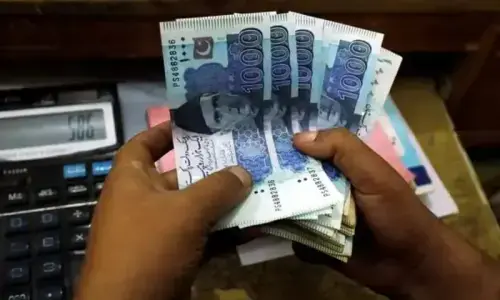
THE measure of a society is how it treats its most vulnerable members — and by that measure, Pakistan is failing its sanitation workers. A new report by Amnesty International — which collaborated with the local human rights group the Centre for Law & Justice on the project — reveals the entrenched caste- and faith-based discrimination that continues to define this essential yet stigmatised profession. Despite being the backbone of urban hygiene, sanitation workers are routinely subjected to degrading treatment, dangerous working conditions and systemic exclusion. Many of these citizens belong to minority communities that placed their faith in the promise of equal rights in this country after Partition. They have been let down. Government ads openly require applicants to be non-Muslim for sanitation posts. Workers are often denied formal contracts, paid below minimum wage and made to clean sewers without protective gear. Many endure verbal abuse, exclusion from shared spaces and even social segregation — all while risking injury or death on the job. A woman worker in Lahore captured the injustice simply: “They can cut us open and see that we bleed like them, so why do they call us these hateful words?” In some cases, the social marginalisation is so deep that workers have been vulnerable to blasphemy allegations, as witnessed in the 2023 Jaranwala violence sparked by accusations against two Christian sanitation workers.
The state must not only outlaw caste-based discrimination in its Constitution, it should also end discriminatory hiring practices and ensure equal protection under labour laws. Manual cleaning of sewers must be phased out and replaced with machinery. Regularisation of workers, provision of safety equipment and universal access to healthcare and social protections must follow. Until this country treats sanitation work with the dignity it deserves — and those who perform it with the respect they are owed — it will remain complicit in a silent, daily violence against some of its most vital citizens.
Published in Dawn, July 31st, 2025