0
0
AT some point, those currently responsible for this nation of 240m souls will be confronted with the question: what have their policies achieved?
What objective good has been accomplished by upending the foundations of the Pakistani state and enforcing a new contract on its unwilling citizenry that could not have been achieved if the democratic political process had taken its course?
Much ink has been spilt on the economic contagion resulting from the political upheaval that has destabilised this country for the last three years. And, in the elite’s quest to regain control, citizens have paid many additional costs that have yet to be properly accounted for. But things, instead of getting better, seem to be progressively worsening.
Recent amendments to Peca, disruption of the digital economy, and the crisis in the judiciary are cases in point. The concern arises: how much longer before we start to correct course?
In case our policymakers are swayed only by direct, tangible outcomes, a warning about Pakistan’s GSP-Plus status, issued by a European Union envoy, should serve as a wake-up call. Since 2014, Pakistan has enjoyed preferential access to the EU market in the form of tariff exemptions and reductions for its exports, mainly textiles. In exchange for this preferential treatment, it has made a number of commitments, including to protect human and labour rights and ensure good governance, among others.
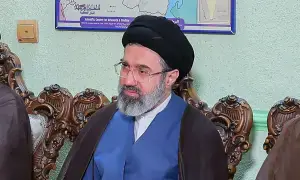
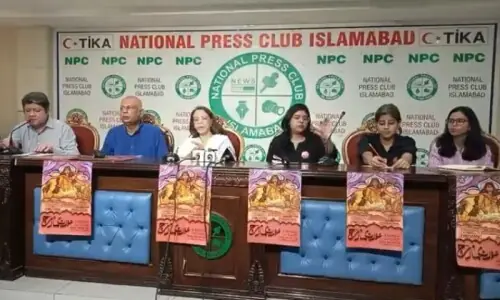
Given the precarious condition of Pakistan’s economy and its reliance on exports to keep matters on an even keel, one would have expected that the rulers would have gone out of their way to protect such beneficial trade agreements. Instead, the EU’s Special Representative for Human Rights Olof Skoog was greeted on his ongoing visit with amendments to the Peca law, amendments which rights activists strongly believe will further restrict Pakistanis’ already limited freedom of expression.
The worrying state of affairs seems to have prompted Mr Skoog to warn that Pakistan’s GSP-Plus status should not be taken for granted. Last year, the government had attacked the main opposition party for ‘lobbying’ to get the GSP-Plus revoked; this year, it has only itself to blame for weakening Pakistan’s position by taking a number of regressive measures.
Mr Skoog has conveyed the EU’s concerns to important quarters, including the chief justice, the army chief, and the law and commerce ministers, as well as the deputy prime minister. It is strongly hoped that those concerns were received with all the seriousness they deserve.
How Pakistan runs itself may, on most occasions, be an internal matter. However, where international trade agreements are concerned, Islamabad cannot expect to get away with violating the commitments it has made to foreign partners. Those responsible must consider the consequences of their actions.
Published in Dawn, January 31st, 2025