Lessons to be learned from Facebook's WhatsApp deal, French watchdog says



Facebook's $22 billion buyout of WhatsApp six years ago should have been blocked, the boss of France's antitrust watchdog, which is set to help review EU rules, has told Reuters.
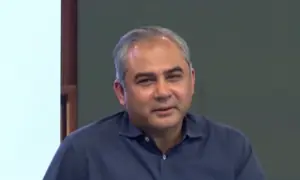
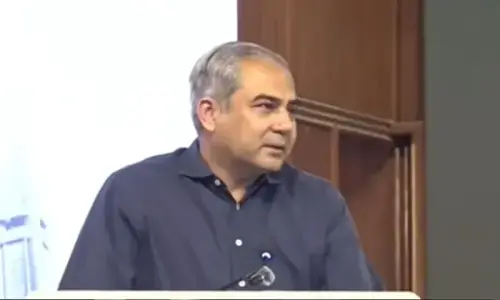
“Clearly, deals such as the Facebook/WhatsApp merger should probably not have been allowed,” Isabelle de Silva said in an interview.
“One of the things we see more clearly now than we did a few years ago is how the ability to collect and exploit data is a major advantage,” she said.
“This is what allows players like Facebook and Google to create their value today.” A spokesman for Facebook had no immediate comment.
With a new European Commission in place, antitrust authorities in Brussels are preparing for an in-depth review of EU competition rules.
One focus will be globalisation and digitalisation, trends that have spurred the success of the likes of Facebook, Alphabet's Google and Amazon.
French President Emmanuel Macron's government has been at the forefront of European efforts to increase scrutiny and taxes on digital platforms.
France's antitrust watchdog, which recently fined search engine Google 150 million euros ($167 million) for opaque advertising rules, will take part in the regulatory overhaul led by commissioner Margrethe Vestager. De Silva also recently created a dedicated digital unit within the watchdog, following in the steps of the US Federal Trade Commission.
“What makes Facebook successful today is not only the fact of having bought WhatsApp and Instagram... but also having been able to aggregate these users' communities by merging the three communities that were previously separate,” she said.
European firms face mounting dominance by US and Chinese companies in social media, online search and e-commerce.
But de Silva said she was not calling for a break-up of America's biggest technology companies.
Instead, she said there was a need for tougher controls over large tech companies eating up innovative startups.
“Being dominant is not in itself illegal,” de Silva said. “I find it questionable that an already dominant company can acquire all the companies in its ecosystem and that no rival can emerge.”