PhD degree holders can become teachers at medical colleges now


 2
2

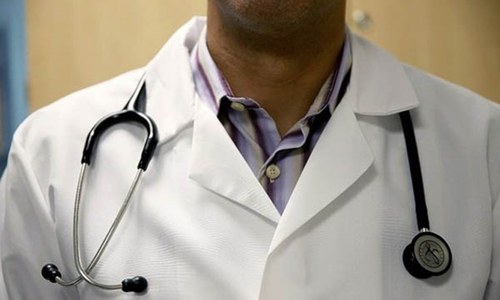
PESHAWAR: The government has decided to allow the PhD degree holders to teach basic medical sciences at medical colleges, according to sources.
According to the present criteria, only medical graduates are employed as teachers at medical colleges. The decision has been made by Pakistan Medical Commission (PMC), regulator of medical education, to improve quality of medical education in the country.
“So far, people with MBBS or BDS degrees have been working as teachers of basic medical sciences at medical schools throughout the country but a decision taken by PMC last year has changed the criteria. Now PhDs in relevant subjects will be appointed at basic medical sciences department of medical colleges,” sources said.
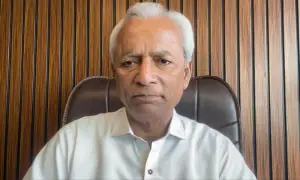
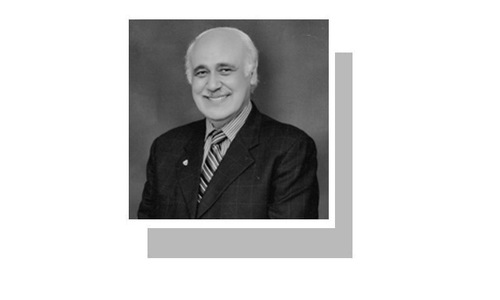
Prof Nausherwan Burki, the chairman of Prime Minister Health Task Force, confirmed to Dawn that the decision in that regard had been taken to bring the country’s medical schools at par with medical colleges operating the world over.
“The fact is that everywhere in the developed world, the basic sciences are taught by basic scientists because a PhD in biochemistry or neurosciences or immunology is obviously far better placed as a teacher of these subjects than an MBBS doctor,” he said.
Prof Burki said that the previous edict that only medical graduates could teach the basic sciences effectively closed off the basic sciences to highly qualified experts and resulted in the current shortage of teachers of those subjects and poor teaching which, of course, was not in line with medical teaching in the rest of the world.
The basic medical sciences include anatomy, physiology, biochemistry, anatomy, pharmacology, pathology, forensic medicine and toxicology and community medicine.
These subjects are thought to medical students up to fourth year during their five-year study. Presently, the basic degree for teaching positions in medical and dental colleges is MBBS or BDS along with postgraduate qualification.
For the last several years after the establishment of private medical colleges, there has been an acute shortage of teachers of basic sciences because. The teachers of these subjects were required for recognition of medical colleges by PMC. The private colleges needed them to get recognition that created shortage of teachers in public sector medical colleges.
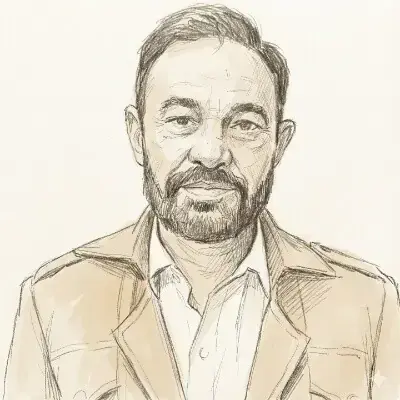
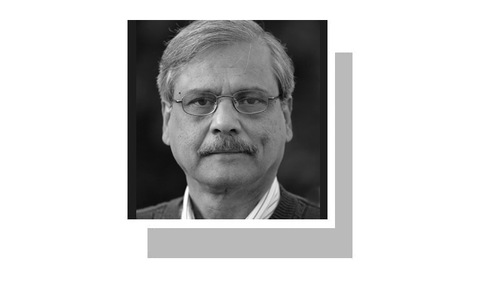
Prof Jamilur Rehman, former chairman of biochemistry department at Khyber Medical College, told Dawn that it was allowed in UK and some other countries but unfortunately the PhD standard in Pakistan was poor.
“Teaching these subjects to medical students requires in-depth knowledge with some background information of other medical subjects which these non-medical PhDs don’t have. It may lower the standards and add to burden of self learning on medical students,” he elaborated.
According to the new mechanism, there will be no need to be MBBS/BDS to become a teacher of basic medical and dental sciences and a graduate of doctor of veterinary medicine (DVM) with relevant postgraduate degree can become a teacher of anatomy, physiology and biochemistry. Graduates of biochemistry with relevant postgraduate degree can become a teacher for biochemistry.
Likewise, graduate of doctor of pharmacy possessing a postgraduate degree can become a teacher of pharmacology, physiology, anatomy and biochemistry while a practitioner of law having a postgraduate degree can become a teacher of forensic medicine and a public health expert with any graduation from any field including nutrition and agriculture etc with relevant postgraduate degree can work as teacher of community medicine.
More than 300 teachers in public sector medical colleges have expressed concerns over the decision and want to revoke it. They argue that it will adversely impact the medical education.
Published in Dawn, January 13th, 2020