Indian court sentences 2 convicts to death in 1993 Mumbai blasts case


 41
41


A special court in India sentenced two convicts to death and two others to life in jail in the 1993 Mumbai blasts case on Thursday.
The four men had earlier been convicted of criminal conspiracy and murder in the planting of 12 powerful bombs in cars, scooters and suitcases around India's financial capital.
Abu Salem, who was convicted under sections of the Terrorist and Disruptive Activities (Prevention) Act or TADA, was sentenced to life in prison. Salem had been tried after his extradition from Portugal.
Convicts Tahir Merchant and Feroz Khan were sentenced to death and a fourth, Karimullah Khan, was also sentenced to a life term, NDTV reported.
A fifth convict, Riyaz Siddiqui, was sentenced to 10 years in jail.
Thursday's hearing sentencing ended a second trial related to the bombings. A first trial ended in 2007 with more than 100 people convicted, of which 11 were sentenced to be executed while the rest were given various terms in prison.
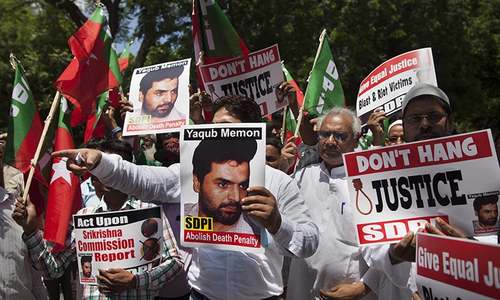
One suspect in the case, Yakub Memon, was hanged in 2015.
Several people suspected to have been involved in the bombings have yet to be arrested, including India’s most-wanted man, Dawood Ibrahim.
The Bombay Stock Exchange, the offices of Air India and a luxury hotel were among about a dozen targets of the March 1993 blasts, which killed 257 people in the deadliest attacks ever to hit India.
They were believed to have been staged by Mumbai's Muslim-dominated underworld in retaliation for anti-Muslim violence that had killed more than 1,000 people.