Rice exports plunge despite subsidies


 0
0
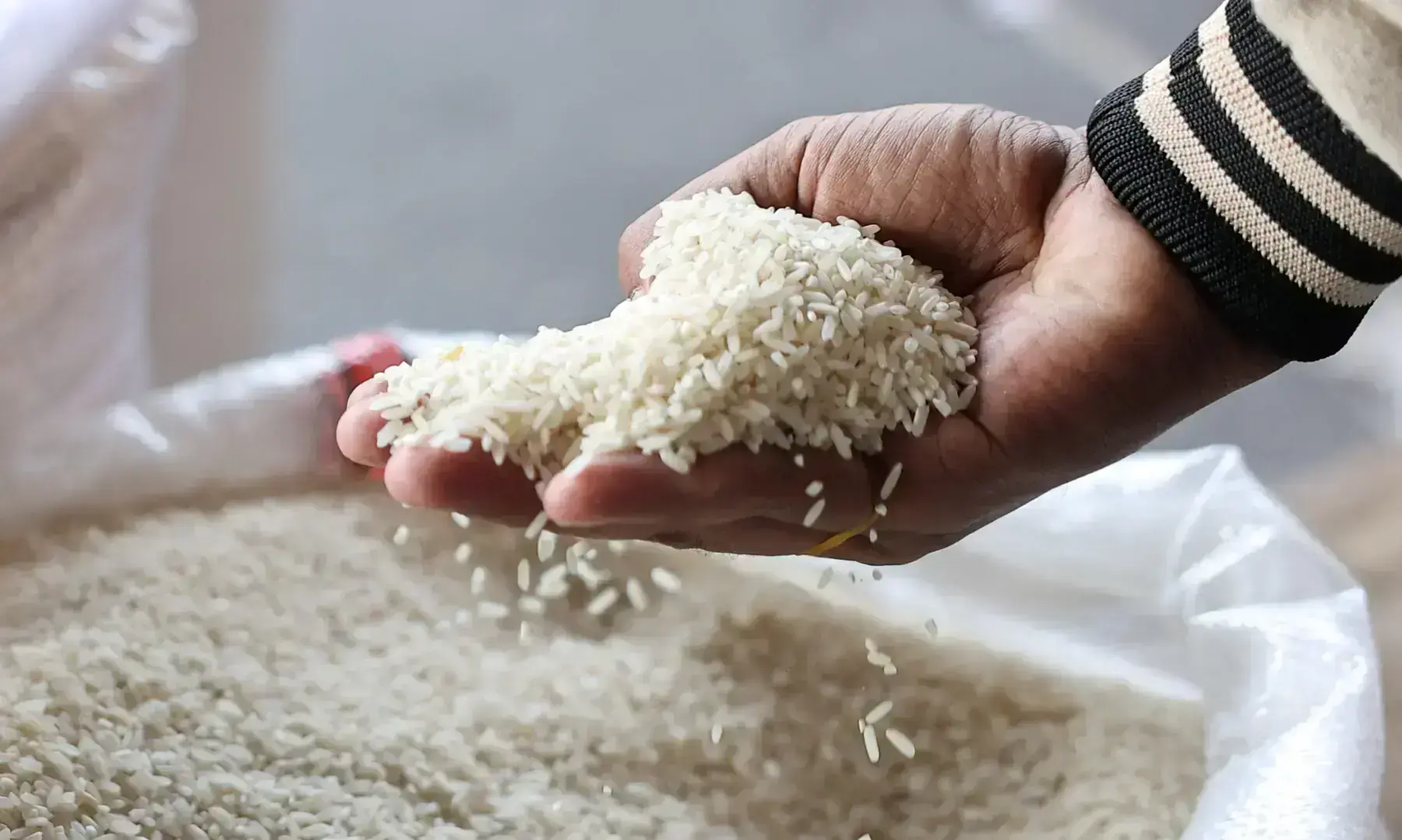

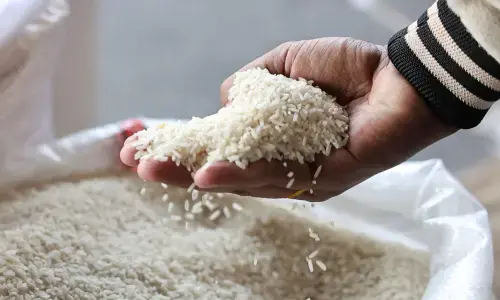
ISLAMABAD: Rice exports declined by 35.38 per cent in February despite government subsidies, prompting exporters to question the effectiveness of the support scheme.
Exporters said the subsidy programme had pushed up domestic prices, making Pakistani rice less competitive in international markets and undermining the intended benefit of the government’s cash support.
The government has announced a 3 per cent duty drawback on local taxes and levies for coarse rice and a 9pc duty drawback for basmati exports. Under the scheme, the government has allocated approximately Rs15 billion to provide rebates on local taxes and levies for rice exporters.
Official figures compiled by the Pakistan Bureau of Statistics show that basmati rice exports declined by 19.21pc in value and recorded negative growth of 27.98pc in quantity in February.
Stakeholders cite high domestic prices and hoarding as key culprits
The export of coarse rice also registered a decline of 42.50pc in value and 32.94pc in quantity during the month under review. The figures indicate that the subsidy scheme introduced by the Ministry of Commerce failed to arrest the decline in exports.
A leading rice exporter, speaking on condition of anonymity, told Dawn that the decline in exports was mainly driven by higher domestic prices and large-scale hoarding, which undermined Pakistan’s competitiveness in international markets.
“Our rice exporters have remained largely commodity traders over the past four decades, focusing primarily on meeting export refinance facility performance (ERF) targets rather than developing into efficient exporters like their counterparts in the region,” he said.
He added that the sector has also failed to develop value-added products from rice byproducts such as rice stalk, paddy husk, rice bran, broken rice, rice flour, rice straw, rice snacks, vermicelli, noodles and rice glucose.
Another exporter told Dawn that rebates offered under the duty drawback of local taxes and levies at the port cannot compensate for weak production at the farm level.
He said that sustainable export growth depends on higher agricultural output and lower input costs for farmers, rather than financial incentives announced after the crop has already moved through the supply chain.
He added that improving rice exports requires measures to raise productivity, including better seed quality, efficient irrigation, and reduced costs of fertiliser, energy, and other farm inputs. Without addressing these factors, he said, subsidies at the export stage would have only a limited impact on competitiveness in international markets.
The exporter also called for a policy shift in the ERF, suggesting that it should be withdrawn from commodity exports and redirected towards value-added rice products and byproducts.
Published in Dawn, March 17th, 2026