17
17
DECLINE is manifested in many ways; not all of them play out in the glare of the media. Particularly not when they take place in the lives of the poor.
In Karachi, amidst its vast swathes of urban decay and municipal neglect, the Orangi Pilot Project provided a road map for citizens to develop and sustain basic services on a self-help basis.
Located in one of the biggest slums in Asia, the celebrated project was replicated in many other developing countries. However, as per a report in this paper, the OPP — two years after the as yet unsolved murder of its director Perween Rahman — is a shadow of its former self.
Know more: Orangi Pilot Project team relocate amid growing threats
Ms Rahman was working on the regularisation of Karachi’s numerous outlying settlements, which gave its impoverished residents legal title and hence some protection against the greed of ruthless land developers. That came to an abrupt end when she died, and serious threats to other senior OPP staff have forced them to relocate.
The Karachi operation was launched nearly two years ago to restore law and order and reclaim the city from its criminal syndicates, politically affiliated or otherwise. However, as the intimidation of OPP personnel illustrates, the environment for civic engagement remains fraught with risk; forces inimical to citizens’ rights continue to thrive, making a mockery of the operation’s avowed objectives.
Community spaces, such as that run by Sabeen Mahmud — who was murdered in April, it is believed on account of her activism — are constantly under threat.
From a wider perspective, the situation in Karachi is symptomatic of the overall malaise that afflicts this country. Anyone who fights for the rights of the poor, the marginalised and the voiceless pays a high price — often the highest possible — for his/her integrity and courage, while the state — to its enduring shame — responds either reactively or not at all.
Even educationists have not been spared. Dr Bernadette Dean who was engaged in the laudable exercise of trying to purge Sindh’s school curriculum of hate material had to flee this country after a campaign run by extremist elements against her.
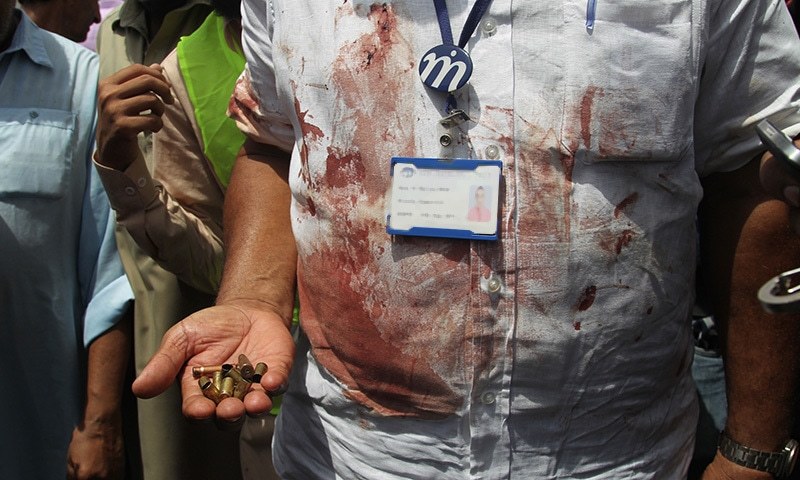
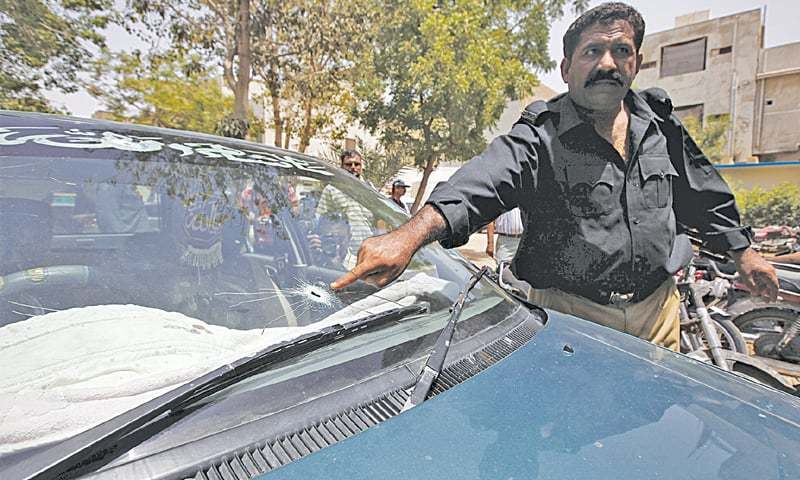
Assistant professor Debra Lobo, whose academic contribution has been described as “immeasurable” by colleagues, was seriously injured in a targeted attack. Then there are Karachi University professors Dr Shakeel Auj and Dr Waheedur Rehman, who were murdered in broad daylight. The city is yet to break free from the shackles of those who would hold it to ransom.
Published in Dawn, June 3rd, 2015
On a mobile phone? Get the Dawn Mobile App: Apple Store | Google Play