1
1
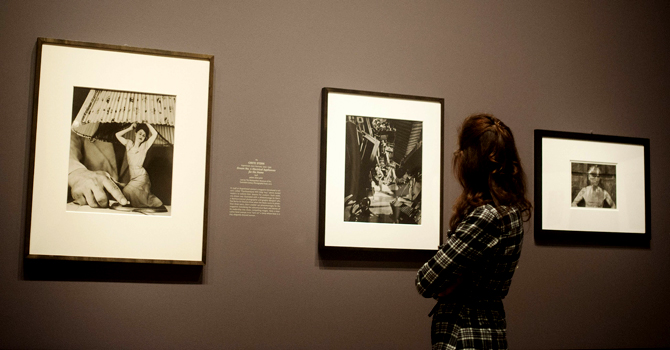
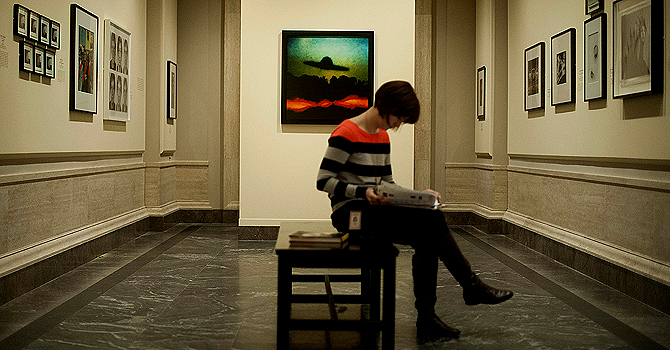
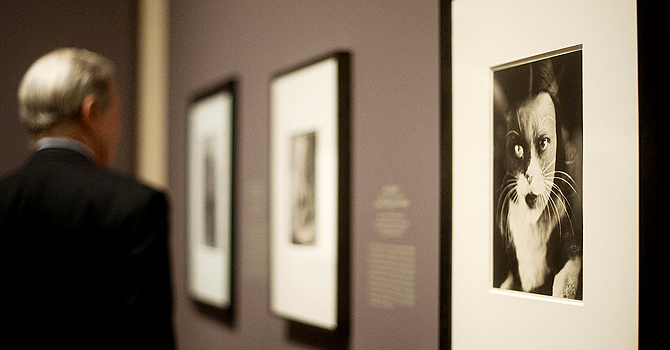

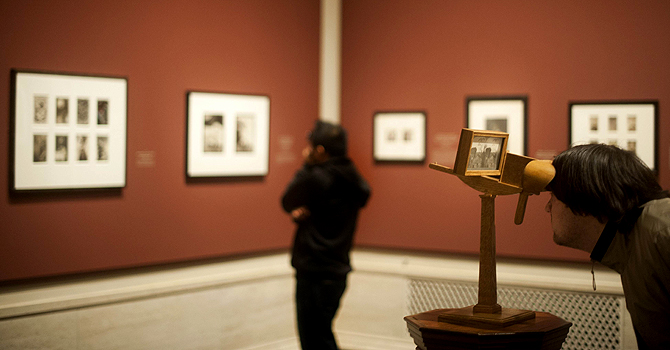

WASHINGTON: In this era of Photoshop software and Instagram filters, should people recoil at the notion of photo manipulation? Not at all, said the curator of a landmark exhibition on the topic that opened in Washington this week. After all, we've been living with altered images since photography was invented in the 19th century.
“Faking It: Manipulated Photography Before Photoshop” at the National Gallery of Art brings together some 200 works to document the fascinating history of airbrushing, double exposures and all kinds of darkroom wizardry.
Digital “technology has helped create a shift in attitudes about photography, and it's certainly brought about a greater skepticism,” curator Mia Fineman said Wednesday.
“The fact that this technology is accessible, that anybody can get it on their own computers or even on their (mobile) phones, has made people much more aware of how pictures can be altered.””Faking It” debuted last year at the Metropolitan Museum of Art in New York, where it was fittingly sponsored by Adobe Systems, which first released Photoshop in 1989. The show runs at the National Gallery until May 5.
Initially pitched at graphic artists, Photoshop now is available in a variety of professional and consumer versions, while a raft of smartphone apps have put photo manipulation literally at users' fingertips.
But as “Faking It” tells it, the very first doctored images were motivated by technological and pragmatic considerations.
Mid-19th century landscape photographers like Gustave Le Gray and Carleton Watkins got around the exposure limits of primitive glass negatives by taking separate group and sky images, then fusing them for dramatic effect.
When a Union army officer failed to turn up on time for a group portrait, Civil War photographer Mathew Brady snapped the other seven subjects first -- then did a separate image of the latecomer to superimpose on the final image.
In the 20th century, surrealists inspired by psychoanalysis embraced photo manipulation as a means to depict their sleeping dreams, while novelty images - forerunners of today's Internet memes - found a broad popular following.
“Faking It” goes on to touch upon the well-known use of airbrushing and retouching in communist regimes to enhance the stature of leaders like Stalin and erase the virtual existence of their political rivals.
But it also addresses the then-shameless doctoring of news photos in the 1930s and 1940s to illustrate Zeppelins docking atop the Empire State Building - they never did - or New York City engulfed in an atomic-bomb mushroom cloud.
In a final section titled “Protoshop,” the show explores manipulated photos as an accepted means of artistic self-expression in the 1960s by the likes of Yves Klein and Duane Michals.
And, in a nod to a peculiar American obsession with space aliens, there's a haunting image of a UFO skimming the Earth's surface, assembled with distorted found images by Oliver Wasow in 1987.
Fineman said she spent more than three years crisscrossing North America and Europe to put together “Faking It” and write its 280-page catalog. She is especially proud of finding the original negatives of Klein's “Leaping into the Void” in which the celebrated French artist seemingly dives dove-like off a wall onto a concrete sidewalk.
In reality, Klein fell into the arms of waiting collaborators with outstretched arms. The photo was then doctored to wipe away their helpful presence. “I knew that photographs had always been altered and manipulated, but I didn't really know how prevalent it was and how much a part of the history of the medium it was,” Fineman said.
“When I learned about photography at university, this kind of thing was hardly ever discussed,” added the curator, whose next project is an exhibition on the rise of mobile phone photography.