KP CM aide terms petroleum levy as ‘assault’ on provincial rights
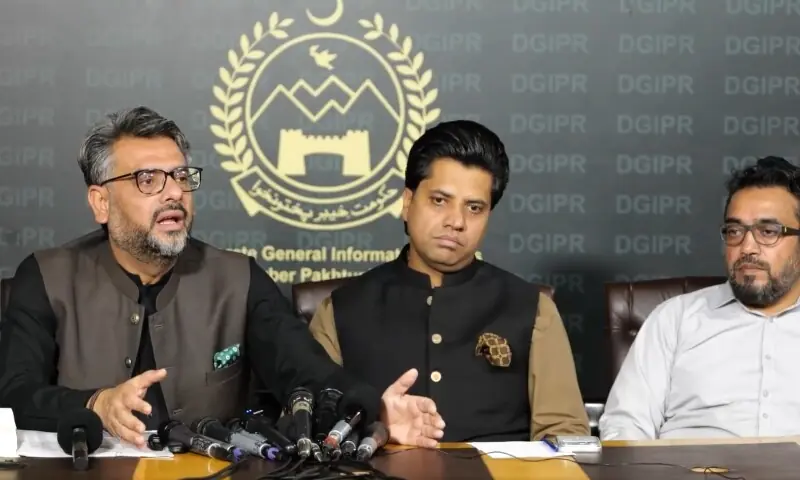
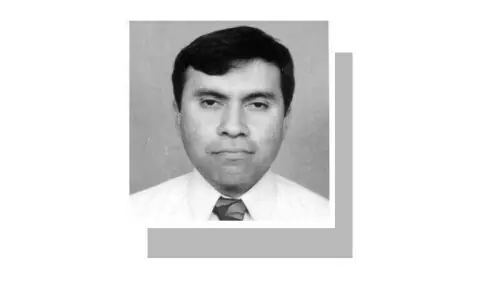
PESHAWAR: Adviser to the chief minister on finance Muzzammil Aslam on Thursday said that petroleum development levy was an assault on provincial rights.
Addressing a news conference here, Mr Aslam said that the PDL was originally introduced to finance petroleum infrastructure projects but was being used as a revenue-generating tool.
He said that during the tenure of Pakistan Tehreek-i-Insaf founder Imran Khan, the levy stood at Rs20 per litre, whereas the present government had increased it to Rs80 per litre within three years.
The aide to CM said during the Iran-US tensions, the levy was further raised to Rs115 per litre.
Says PDL was meant to fund petroleum projects but is being used to generate revenue
He added that the government revised the levy every week and there were reports that it was considering changing it on a daily basis, which would further increase the financial burden on people.
Mr Aslam said that the federal government had set a tax revenue collection target of Rs14.13 trillion for the previous fiscal year, but managed to collect only around Rs13 trillion by the end of the year, resulting in a Rs1.13 trillion shortfall.
He said the federal government assured the International Monetary Fund (IMF) that the gap would be bridged through other sources, leading to an increased burden of PDL on the people. The adviser said that the Centre collected more than Rs1.6 trillion through the PDL.
He said that the PDL was not part of the divisible pool, so the provinces received no share from the revenue generated through it.
Mr Aslam said the federal government had imposed a Rs5 per litre Climate Support Levy.
He said that Khyber Pakhtunkhwa faced greater economic challenges than the other provinces.
“Our province continues to suffer from terrorism, trade with Afghanistan remains restricted, and despite a Rs1 trillion Federal Public Sector Development Programme, the federal government has allocated only Rs550 million for Khyber Pakhtunkhwa, which is a clear injustice to the province,” he said.
The adviser said that the KP government increased its own-source revenue from Rs63 billion to Rs150 billion within two years, while the center was struggling with a Rs1.13 trillion revenue shortfall.
He added that the provincial government reduced the sales tax rate, cut property tax by half, and did not impose any new taxes.
Mr Aslam said that the primary reason behind the increase in the provincial revenue was digitalisation. He said around 30 government services had been digitalised, enabling people within Pakistan and abroad to pay taxes and fees online from the comfort of their homes.
Regarding the wheat situation, the adviser said that Pakistan faced its third wheat crisis in four years under the Shehbaz Sharif government even though the wheat season had only just begun.
He alleged that Punjab continued to maintain unofficial restrictions on the supply of wheat and flour to KP, while attempts to transport wheat from Sindh through Balochistan had also encountered obstacles.
Mr Aslam said that the KP finance department had released Rs15.6 billion to the food department for wheat procurement.
He also said the process of transporting 150,000 metric tons of wheat from Passco was commencing, while an agreement had also been finalised for the supply of an additional 50,000 metric tons.
The adviser said that KP produced only 25 per cent of its wheat requirement, making the province heavily dependent on Punjab for wheat procurement.
He added that following the latest procurement, the province’s wheat stocks would exceed 350,000 metric tons, bringing the storage capacity of government warehouses close to full utilisation.
Published in Dawn, July 17th, 2026