SWABI: Officials at tobacco companies have questioned the impact of multiple levies on the sector and raised concerns about the utilisation of funds meant for development in tobacco-growing districts.
They said tobacco was liable to three major taxes: the Federal Excise Duty (FED), collected by the Federal Board of Revenue; the Federal Tobacco Cess (FTC), collected by the Pakistan Tobacco Board; and the Tobacco Development Cess (TDC), collected by the Khyber Pakhtunkhwa government through the Excise Department.
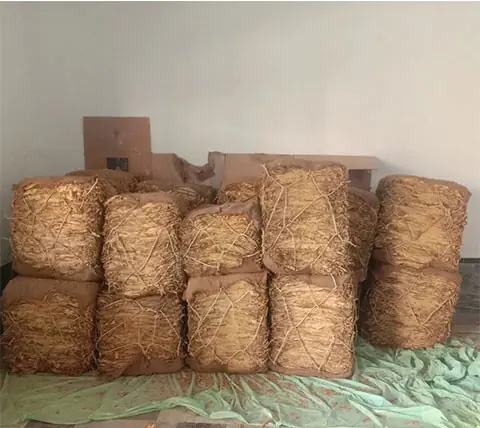
Among these taxes, FED and TDC constitute the largest shares of the overall tax burden on the tobacco crop. FED is collected at the green leaf threshing stage and includes an advance payment component, known as advance FED, which currently stands at Rs390 per kilogram.
They said the FED rate had undergone several changes over the years. It was increased to Rs300 per kg in the 2018 mini-budget from Rs10 per kg, but the increase was later reversed during Finance Bill deliberations in June 2019.
Small cigarette makers protesting against tax for two months
This rate remained unchanged until 2021, despite repeated attempts to revise it, which were blocked by a special committee formed by the then National Assembly speaker. However, in September 2022, the government approved a significant increase, raising the rate to Rs390 per kg.
Small cigarette manufacturers in Swabi district have been protesting against the tax for the last two months, demanding its withdrawal.
The officials said FED was not a tax on growers but was applied at the manufacturing stage, making multinational and national companies, small cigarette manufacturers and the business community liable.
“Furthermore, and most importantly, it is not applicable to tobacco destined for export markets,” said a senior official of a multinational company.
“The FTC represents another layer of taxation within the sector and is collected by the Pakistan Tobacco Board. It is designed to support regulatory and administrative functions related to the tobacco industry,” he said.
The TDC is applied exclusively in Khyber Pakhtunkhwa, the country’s major tobacco-producing province.
The officials said these funds were legally ring-fenced for development activities in tobacco-growing districts, including road infrastructure, crop protection, agricultural development and farmer welfare initiatives.
“The rate of TDC has also increased in recent years, rising from Rs6 per kg in 2023 to Rs25 per kg in 2024 and further to Rs27.5 per kg last year,” said an official of a national company.
Based on estimated production volumes, total TDC collections over the past two years are believed to be around Rs6bn across major tobacco-producing districts such as Swabi, Mardan, Mansehra and Buner, said an official at the Swabi deputy commissioner’s office.
He said Swabi alone had contributed around Rs3bn in the last two years.
However, despite the scale of these collections, reports and observations from several tobacco-growing regions suggest that the visible impact of such funds on local development remains negligible, raising questions about implementation efficiency, transparency and the extent to which these revenues are being translated into tangible improvements for farming communities and the tobacco sector at large.
Published in Dawn, July 12th, 2026