LAHORE: Lahore High Court Chief Justice Aalia Neelum on Saturday laid the foundation stone of the Judicial Tower, a project that would bring all subordinate courts in the provincial metropolis under one roof.
Earlier, the chief justice visited the Lahore Bar Association, where she inaugurated the solarisation of subordinate courts, an e-library and the female bar room before attending the groundbreaking ceremony for the Judicial Tower.
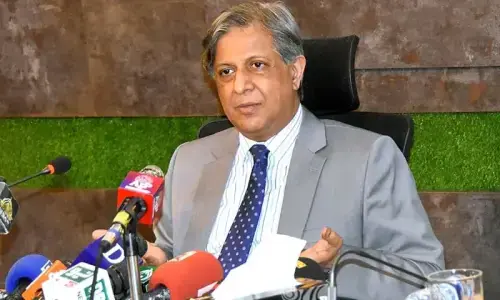
Addressing the ceremony, Federal Minister for Law and Justice Senator Azam Nazeer Tarar described the project of Judicial Tower as a historic milestone in Pakistan’s judicial system. He said Chief Justice Neelum would leave behind a lasting legacy for future generations.
He said the chief justice had never sought additional privileges or improved residential facilities for judges during her tenure, but instead remained committed to improving the judicial system and enhancing facilities for litigants and the legal fraternity.
He also praised the chief minister for her support, saying the provincial government had played a significant role in advancing the project.
Pakistan Bar Council’s member Ahsan Bhoon also termed the Judicial Tower a landmark project and credited both the chief justice and the federal law minister for making it a reality.
At the conclusion of the ceremony, the chief justice distributed commemorative shields among session judges, civil judges and members of the legal fraternity in recognition of their services.
LHC senior puisne judge Justice Abid Aziz Sheikh and other judges were also present at the ceremony.
According to details, the Judicial Tower will be completed at an estimated cost of Rs24 billion within 30 months. The project would house 184 courtrooms, bar rooms, record rooms and a modern parking plaza designed to accommodate the needs of lawyers, litigants and court staff.
The project aims to centralise all subordinate courts in Lahore at a single location, improving judicial administration and making court proceedings more accessible and efficient for the public.
Published in Dawn, July 12th, 2026