Sindh CM Murad, IFC agree to explore partnership in digital infrastructure, renewable energy


 0
0
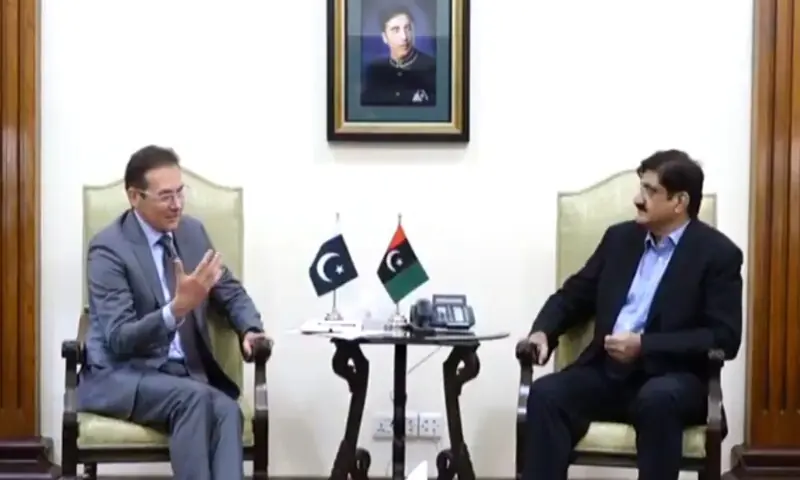

KARACHI: The Sindh government and the International Finance Corporation (IFC) on Monday agreed to explore collaboration in digital infrastructure, renewable energy, agriculture, healthcare, human capital development and social protection.
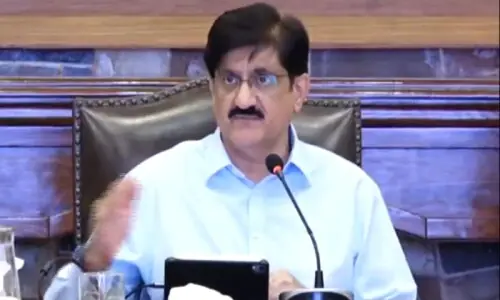
The understanding was reached at a meeting between Sindh Chief Minister Syed Murad Ali Shah and IFC Division Director for Pakistan Simon Andrews at the CM House.
According to a press statement issued by the CM House, CM Murad told the delegation that Sindh was focused on attracting investment in strategic sectors, including the establishment of an international data centre in the province and expanding renewable energy generation for the private sector.
“We are focused on creating an enabling environment for investment in emerging sectors, particularly digital infrastructure and renewable energy, which are critical for economic growth and job creation,” he added.
The meeting also discussed strengthening agriculture value chains, improving storage and processing facilities, and enhancing farmers’ livelihoods through mechanisation.
Andrews said the IFC was interested in supporting initiatives to improve human capital, particularly in healthcare, nutrition and skills development.
The two sides also discussed collaboration on the province’s stunting-reduction programme and efforts to improve children’s health and educational outcomes.
The chief minister said that the future of the province depended on healthy, educated and skilled young people. “We are investing in programmes that improve healthcare, reduce stunting and equip our children with the skills needed for tomorrow’s economy,” he added.
The IFC director appreciated the provincial government’s reform agenda and reaffirmed the corporation’s commitment to supporting sustainable and inclusive development.
“IFC sees significant opportunities to partner with the Sindh government in sectors that can generate long-term economic and social impact, including digital infrastructure, renewable energy, agribusiness, healthcare and human capital development,” he said.
The meeting also discussed workforce shortages in healthcare, particularly in nursing.
The chief minister said the government aimed to produce at least 15,000 nurses annually to meet domestic demand.
Both sides agreed to work on a comprehensive model for basic nursing education and specialised training.
The CM said: “We look forward to working with IFC to translate these ideas into practical projects that improve livelihoods, create jobs and deliver better services to the people of Sindh.”
Climate-resilient projects
The meeting also reviewed opportunities for collaboration on climate-resilient infrastructure and the integration of climate risk considerations into public-private partnership (PPP) projects.
The IFC Sustainable Infrastructure Advisory Team offered technical assistance to support climate risk assessment and adaptation measures in the development and management of PPPs.
The Sindh PPP Unit requested advisory support in three areas: capacity building for project teams, development of climate resilience guidelines, and the integration of climate risk assessment tools into project planning.
The chief minister said that building resilience into project planning was no longer optional but essential for sustainable development. “We must ensure that our infrastructure and development projects are designed to withstand the growing impacts of climate change,” he added.
Andrews said the IFC was committed to helping Sindh build climate-smart infrastructure. “Integrating climate risk considerations into project development and management helps protect investments, improve sustainability and ensure that infrastructure delivers long-term benefits to communities,” he said.
Both sides agreed to continue consultations on establishing a comprehensive framework for climate risk assessment, adaptation planning and resilience-focused PPP project development in Sindh.
Minister Jam Khan Shoro, Chief Secretary Asif Hyder Shah and Finance Secretary Fayaz Jatoi attended the meeting.
Published in Dawn, July 7th, 2026