RMU centre offers advanced robotic, virtual training
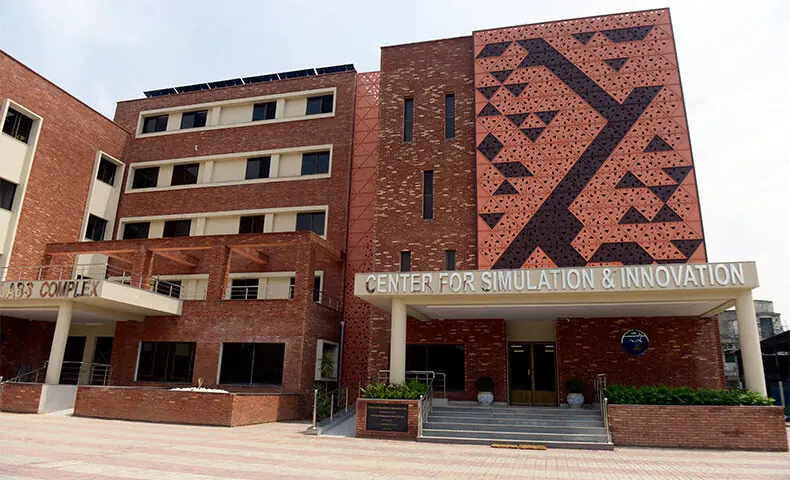
The Centre for Simulation and Innovation (CSI) established at Rawalpindi Medical University (RMU) provides future doctors, nurses, postgraduate medical students and faculty members an opportunity to prepare for their future careers in the healthcare system.
The laboratory is a specialised educational and research facility that uses immersive technologies such as robotic mannequins, virtual reality and standardised patients to train professionals in high-stakes fields like healthcare.
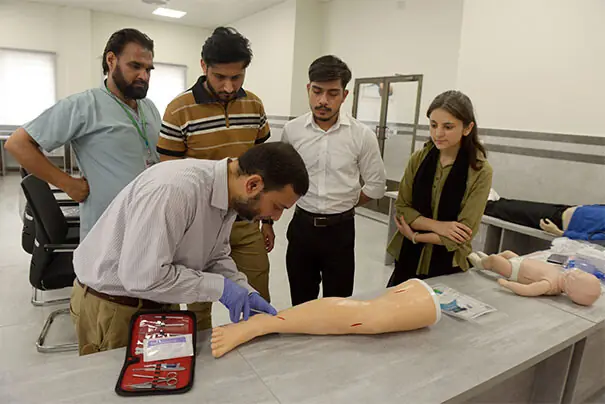
Located at a corner of RMU’s old campus, the centre, constructed at a cost of Rs1.9 billion, is equipped with modern robots and advanced equipment so that medical students can understand patient conditions and receive training in handling gynaecology patients, elderly patients, cardiology cases, children and accident cases.
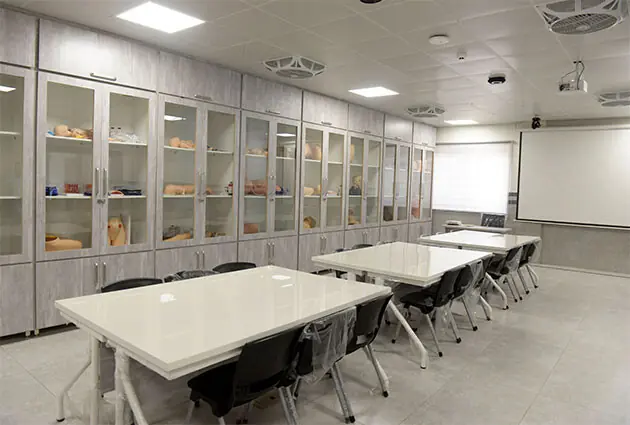
The AI-based centre has become a key learning facility for researchers and students to understand patient management. Before entering hospitals, students are trained to handle patients and different medical requirements through robotic systems.
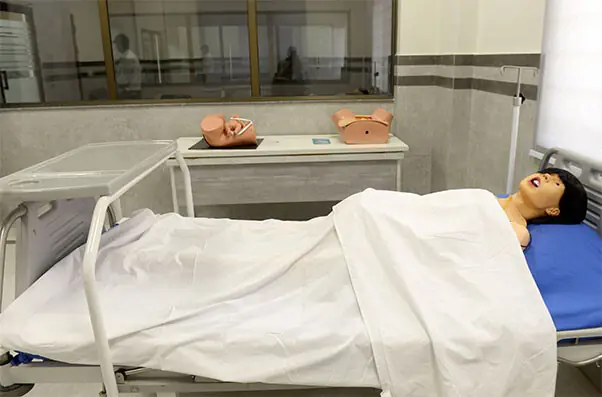
RMU has become the first public sector medical university to provide students with such simulation-based learning experience through CSI, which is among the most innovative simulation facilities in the country.
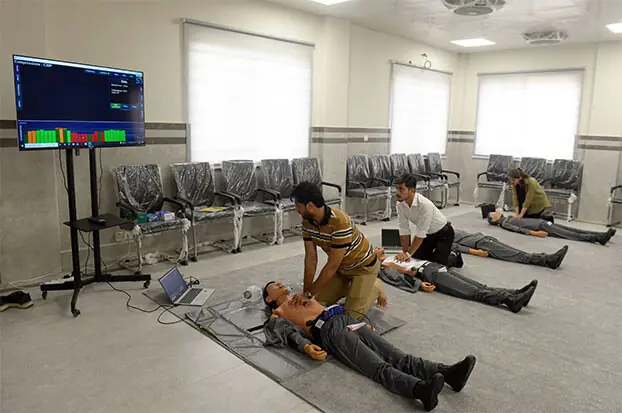
The CSI is a three-storey complex, also connected with the research laboratory complex. Structurally, it houses different disciplines on separate floors, including anaesthesia, radiology, gynaecology and obstetrics, surgery, nursing, basic life support, neurological care, advanced trauma life support and others.
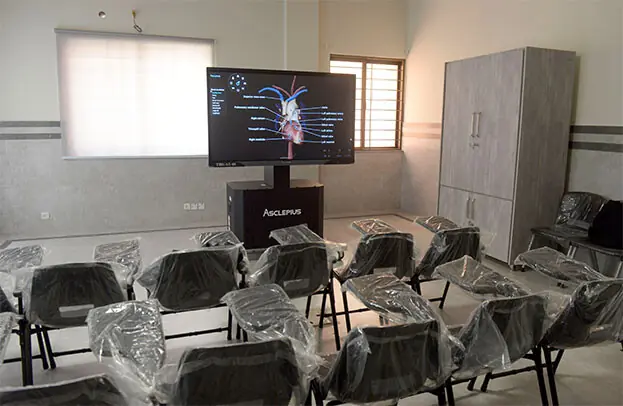
Its sections are further divided into low-fidelity, medium-fidelity and high-fidelity training systems, depending on the level and complexity of trainees and faculty.
Talking to Dawn, RMU Vice Chancellor Prof Dr Muhammad Umar said RMU is a young mono-disciplinary medical university established in May 2017 and, in a short span of seven years, has become a fast-growing institution nationally and internationally.
He said RMU is consistently ranked among the top public sector medical universities in Pakistan by the Higher Education Commission and Times Higher Education rankings.
He added that the university is also known for research, postgraduate education and PhD programmes. “Recently, RMU achieved another milestone by establishing the most advanced Centre for Simulation and Innovation (CSI),” he said.
“This is the first of its kind that imparts AI-based simulation training. AI-based training is a global and national requirement. This places RMU on the world map in the medical field,” he said.
He said simulation-based training is now being provided to RMU undergraduate and postgraduate students, faculty and visiting institutions in the twin cities of Rawalpindi and Islamabad. The project is funded under the Public Sector Development Programme with Rs1.9 billion.
He added that training of doctors and nurses is essential as they deal directly with human lives. RMU aims to produce highly skilled medical professionals through proper training.
He said the centre also provides researchers with opportunities to develop new ideas in the medical field and is not limited to RMU students alone, as other institutions will also be able to use it.
The vice chancellor said the initiative would raise the standard of medical training and education in Pakistan and help other medical colleges. “We will develop a public-private model of training to make CSI financially sustainable,” he said.
He added that RMU experts have designed curriculum and certification programmes for undergraduate, postgraduate and faculty training. He said CSI is aligned with WHO standards and will collaborate with national institutions such as Aga Khan University and leading global simulation centres.
Published in Dawn, July 6th, 2026