Dar invites overseas Pakistanis in US to 'honour their roots' and invest in the country


 11
11
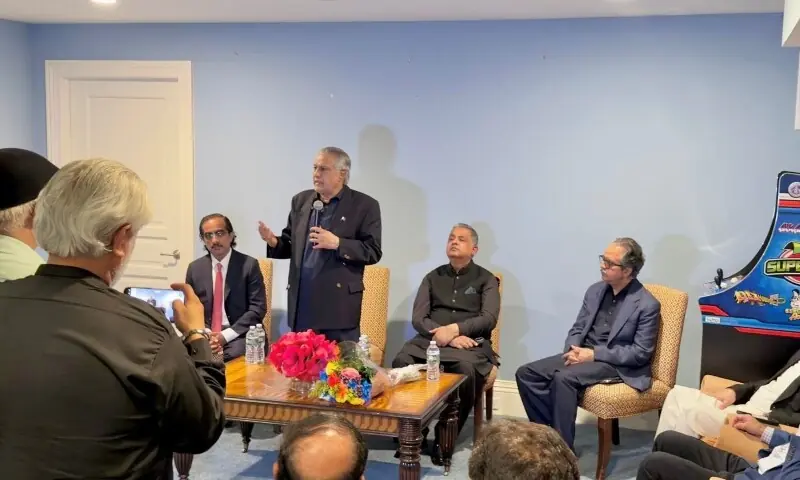

Deputy Prime Minister and Foreign Minister Ishaq Dar has promised that Pakistan’s “best days lie ahead”, highlighting the country’s economic progress and inviting overseas Pakistanis to “honour their roots” and invest.
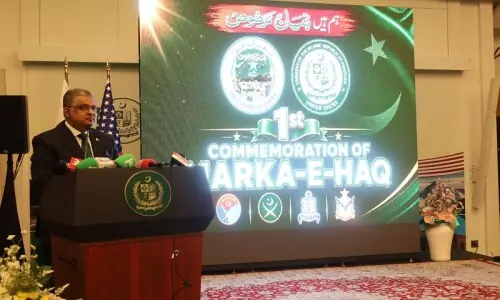
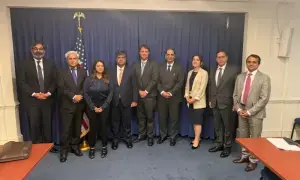
The DPM delivered these remarks while addressing an Eidul Azha dinner for Pakistani-American community leaders in New York. He arrived two days ago to attend a high-level meeting of the United Nations Security Council, according to the Foreign Office (FO).
According to a transcript of Dar’s speech published on Thursday, “He (Dar) stated that the government of Prime Minister Shehbaz Sharif has successfully steered the country through a period of significant economic challenges toward stability.”
“He further noted that Pakistan is now pursuing a path of sustainable, high-growth development aimed at improving the quality of life of its people,” the FO said.
Dar spotlighted declining inflation, improved credit ratings, a strengthening external account and rising investor confidence as evidence of Pakistan’s positive economic trajectory.
He further emphasised that the government was actively pursuing an export-led growth model to generate foreign exchange, create employment and firmly integrate Pakistan into the global economy and supply chains.
The DPM said that the diaspora “formed Pakistan’s most formidable asset — in advocacy, investment, and strengthening people-to-people ties with the United States”.
“The Deputy Prime Minister invited the Pakistani-American community to honour their roots by investing in Pakistan and becoming partners in the country’s journey forward,” he added, according to the FO.
Additionally, in his speech, Dar noted that May holds significance in the nation’s history, referring to the successful atomic bomb tests in May 1998 and the military victory over India in the same month last year.
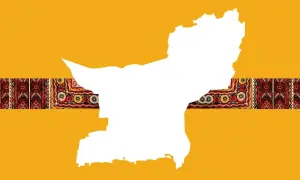
Youm-i-Takbeer marks the historic day of May 28, 1998 when Pakistan joined the ranks of nuclear powers after atomic tests in the hills of Chagai, Balochistan.
“Pakistan, under the leadership of Prime Minister Nawaz Sharif, demonstrated national resolve and capability on May 28, 1998, by becoming a nuclear power, thereby earning its rightful place among the nations that determined the course of global security,” Dar said, according to an FO transcript.
Similarly, last year’s confrontation with India, beginning with the April 22 Pahalgam attack and the subsequent military conflict — which resulted in a resounding victory for Pakistan — until the ceasefire on May 10, is now referred to by the state as Marka-i-Haq (Battle of Truth).
Dar further highlighted that during Marka-i-Haq, Pakistan’s military leadership and people “stood firm in the face of Indian aggression”.
“The outcome became an immortalised moment of national pride, deserving to be acknowledged and celebrated,” the FO added. “Dar commended the resilience and unity shown by the armed forces and people of Pakistan during that period.”
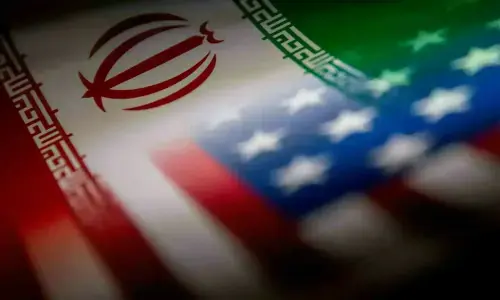
Dar also highlighted Pakistan’s efforts to ensure peace between the US and Iran during his speech, noting that under the leadership of Prime Minister Shehbaz Sharif, the country is “playing an active and constructive role in regional and global peace efforts, reflecting the country’s maturity, credibility, and steadfast commitment to international peace and stability”.
“He underscored that a nation capable of defending itself with confidence is equally well-positioned to pursue sincere peacemaking efforts with credibility,” the FO said. “He conveyed that Pakistan is a country of immense potential, and that its best days lie ahead.”