Sindh reports over 85,000 dog-bite cases in four months


 0
0

• Murad launches province-wide anti-rabies campaign
• Says no patient should be denied treatment due to vaccine shortage
• Calls for humane, sustainable steps for control of stray dog population
• With 22 deaths, major hospitals document 285,000 cases of dog bites during 2025, meeting told
KARACHI: Sindh Chief Minister Syed Murad Ali Shah launched a province-wide rabies prevention campaign, promising uninterrupted availability of anti-rabies vaccines and immunoglobulin at healthcare facilities across Sindh.
Presiding over a meeting at the CM House, he declared that his government would adopt a comprehensive and coordinated strategy to eliminate “preventable rabies deaths” through mass awareness, improved treatment facilities, vaccination coverage and stray dog population management.
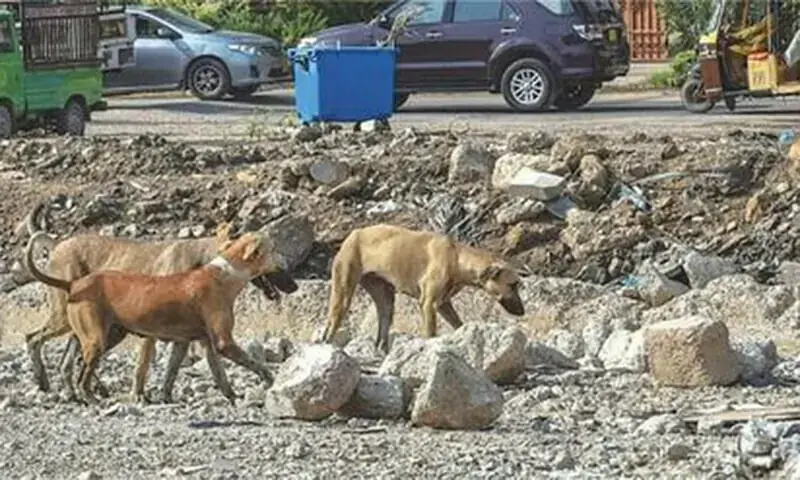
During the meeting, the chief minister was informed that over 285,000 dog-bite cases had been reported in Sindh during 2025, while more than 22 rabies-related deaths were recorded in major hospitals.
The meeting was informed that 85,891 dog-bite cases had already been documented from January to April 2026.
CM Shah said the Sindh government was determined to strengthen both preventive and treatment mechanisms to save precious human lives. “Rabies is a completely preventable disease, and no citizen should lose their life due to lack of awareness, vaccines or timely treatment,” he said.
He said the government would ensure the uninterrupted availability of anti-rabies vaccines and immunoglobulin at healthcare facilities across Sindh.
“We are adopting a multi-dimensional strategy involving healthcare, local government institutions, rescue services, media and community organisations to tackle rabies effectively,” he added.
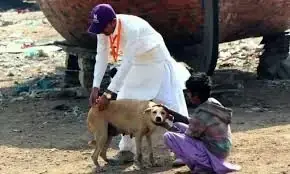
The meeting was informed that under the Sindh Rabies Control Programme launched in 2022, neutering, spaying and vaccination campaigns for stray dogs were being carried out in 20 districts.
So far, over 25,500 dogs have been neutered or spayed, while more than 36,900 dogs have been vaccinated through operational Rabies Control Programme Centres in Karachi, Matiari, Dadu and Tando Allahyar and others.
Health Minister Dr Azra Fazl Pechuho said 11 additional centres would soon become operational in Hyderabad, Sukkur, Larkana, Jamshoro, Khairpur, Mirpurkhas, Umerkot and other districts.
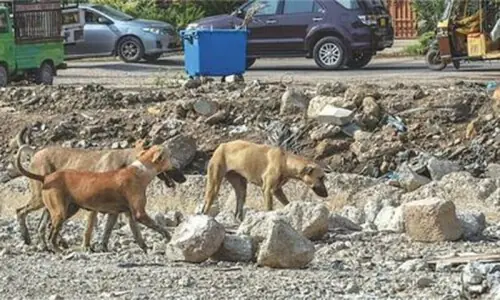
The chief minister directed local government authorities to accelerate dog population management programmes in urban and rural areas. “We need humane, scientific and sustainable measures for stray dog population control instead of temporary responses,” he said.
278 rabies prevention units set up across Sindh
The meeting was informed that 278 WHO-standard Rabies Prevention Units had been established across Sindh as primary treatment centres for dog-bite victims, while 112 WHO-standard referral centres had been activated to manage severe exposure cases, ensuring round-the-clock availability of anti-rabies vaccines and Rabies Immunoglobulin (RIG).
The health minister told the chief minister that anti-rabies vaccine doses for over 63,000 patients and eRIG treatment for more than 8,700 patients had already been provided during the ongoing programme.
CM Shah directed the health department to ensure all referral centres remained fully functional and properly staffed. “No patient should be denied treatment due to a shortage of medicines, staff or facilities,” he said.
The meeting was also informed that extensive training programmes for doctors, paramedics and Rescue 1122 staff were being conducted in collaboration with the Indus Hospital Health Network (IHHN) under WHO-certified guidelines.
A seven-day province-wide awareness campaign through television, print, social media, schools and community outreach programmes was also launched to educate the public about prevention, first aid and timely treatment following dog bites.
The chief minister appreciated the development of a digital ARV Patient Tracking System, designed to monitor dog-bite cases, vaccine administration and follow-up doses across Sindh in real time.
The chief secretary directed the health department to operationalise the digital monitoring system immediately after final approval. Technology-driven monitoring will help improve response time, ensure accountability and save lives, he said.
Tribute to late Naseem Salahuddin
The chief minister paid tribute to late infectious diseases expert, Dr Naseem Salahuddin, describing her as a pioneer of rabies prevention in Pakistan.
He said her lifelong struggle for a Rabies-Free Pakistan would continue to inspire future public health initiatives.
Dr Salahuddin died in a road traffic accident in Morocco a couple of days ago.
The meeting was attended by Senior Minister Sharjeel Inam Memon, Health Minister Dr Azra Fazl Pechuho, Local Government Minister Syed Nasir Hussain Shah, Chief Secretary Asif Hyder Shah, Dr Abdul Bari Khan of the IHHN and others.
Published in Dawn, May 26th, 2026