Man bitten by his own dog month ago dies from rabies in Karachi
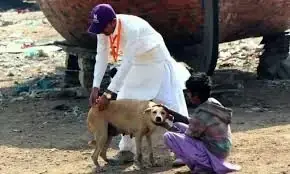
KARACHI: As another death from rabies was confirmed on Wednesday, experts once again emphasised the need for immediately addressing the critical gaps in managing dog bite cases.
The latest victim, a 34-year-old construction worker residing in Memon Goth of Malir, is the eighth reported case of rabies in Sindh.
“The victim reported to us on April 9 with clinical features consistent with rabies encephalitis. He left against medical advice and later we came to know that he died at home the same day,” said Aftab Gohar, Manager Rabies Prevention and Training Centre, Indus University Hospital.
According to Mr Gohar, also the Technical Lead Rabies, Indus Hospital Health Network, the victim was bitten by his own dog over a month back.
Nurse from Larkana bitten by suspected rabies patient reports at Indus Hospital
“The family told us that the dog was behaving abnormally and also bit another individual before it was euthanized by a local veterinarian,” he said, adding that the patient was initially treated at a government hospital.
“Hospital documentation was inadequate and rabies post-exposure prophylaxis (PEP) appears to have been mismanaged. Two days prior to presentation at the Indus Hospital, he developed fever, dysphagia (difficulty swallowing), restlessness and hydrophobia (fear of water).”
In another case, Mr Gohar shared, a 30-year-old male nursing staff member from a major government hospital in Larkana reported on April 8. He was bitten by a suspected rabies-infected patient during treatment.
“He had a Category III exposure involving a bite and contact with secretions from a suspected rabies-infected patient. We managed him with PEP in accordance with WHO guidelines.
“While human-to-human transmission of rabies has not been documented, exposure to saliva from an infected individual is considered potentially infectious and warrants appropriate prophylaxis,” he explained.
Mr Gohar emphasised the need for adhering to universal precautions, as per established guidelines, which, he said, was essential to ensure effective infection prevention and control in clinical settings.
“These cases not only points to significant gaps in rabies PEP management, surveillance, and reporting, but also highlights the need for having a protocol in place in healthcare settings to protect healthcare providers.”
According to officials, over 5,000 dog-bite cases have been reported this year alone at the Indus Hospital, which has seen six rabies cases so far. They believe that the exact number of dog bite and rabies cases across the province is much higher given poor disease surveillance and reporting system.
One key reason for people falling to the deadly disease, they point out, is the absence of life-saving rabies immunoglobulin at most hospitals. The dog-bite victims who even managed to report at hospitals later die of rabies as they fail to receive the life-saving medicine along the vaccine.
Last year, 22 people, about half of them hailing from the interior parts of Sindh, lost their lives to rabies at three government hospitals in Karachi alone — the JPMC, Indus Hospital and Civil Hospital Karachi.
According to the WHO, rabies is a viral, zoonotic, neglected tropical disease that causes tens of thousands of deaths annually, with 40 per cent being children under 15.
Dog bites and scratches cause 99 per cent of the human rabies cases, and can be prevented through dog vaccination and bite prevention.
Once the virus infects the central nervous system and clinical symptoms appear, rabies is fatal in 100 per cent of cases.
However, rabies deaths are preventable with prompt PEP by stopping the virus from reaching the central nervous system. PEP consists of thorough wound washing, administration of a course of human rabies vaccine and, when indicated, rabies immunoglobulins (RIG).
Published in Dawn, April 16th, 2026