ISLAMABAD: The National Cyber Crime Investigation Agency (NCCIA) has busted a gang allegedly selling sensitive personal data of government officers to foreign entities, arresting four people in South Punjab.
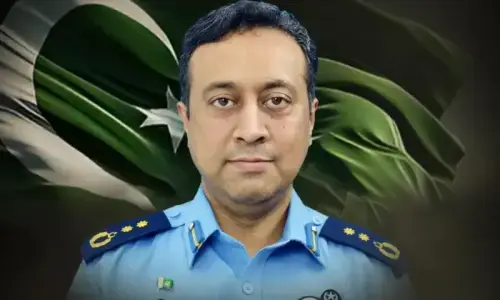
NCCIA Director General Syed Khurram Ali told a press conference on Friday that the group was obtaining and selling call records, CNICs and passports of key officers.
The arrested suspects were identified as Arshad Tariq, Arham Bari, Anam Sabir and Mohammad Rizwan. Forensic examinations of their mobile phones have been conducted.
Ali said the suspects were sharing the data with foreign intelligence agencies, calling it “organised espionage and cybercrime.”
The agency has registered cases over the illegal transfer of data outside Pakistan and is examining institutional staff emails to determine how the information was accessed.
NCCIA has directed government institutions to strengthen data security and ensure information is not accessed by unauthorised individuals, adding that responsibility for safeguarding sensitive data rests with those granted access.
Investigations are ongoing to identify government officials who facilitated the breach.
The director also revealed the arrest of a few individuals involved in an online campaign advocating for Swat to become part of Afghanistan, warning that action would be taken against those who speak against the state.
“If the NCCIA does not take action against those who do not trust the state of Pakistan, then what should it do?” he remarked.
He aaded that the NCCIA currently has 480 personnel across the country, and that capacity-building efforts were underway.
Furthermore, last week, NCCIA busted a fake call centre in Lahore and arrested seven suspects, as part of a province-wide crackdown against organised gangs allegedly involved in online investment and financial fraud.
Earlier in May, NCCIA Punjab arrested 13 suspects as part of a crackdown against ‘anti-state’ social media activities.
Last month, the NCCIA arrested a man in Lahore for allegedly posting anti-army and anti-state content on social media platforms.