0
0

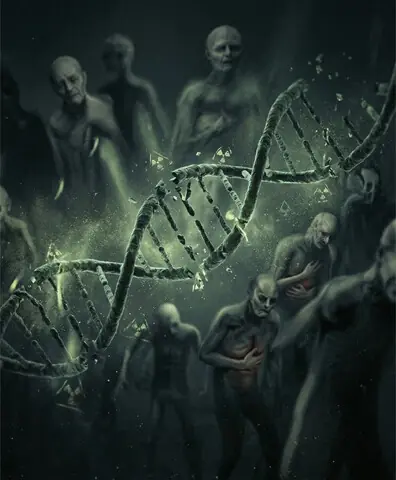
WITH talks between the United States and Iran having failed to make any immediate headway, the world is back to square one, wondering what lies ahead in an era where the nuclear threat is never too far. Over the last about a century, the number of DNA-related diseases has increased rather worryingly.
Atomic radiation and industrialisation are considered the two elements res-ponsible for polluting the atmosphere with poisonous chemicals and gases. Atomic radiation started first after the infamous explosions in the Japanese cities of Hiroshima and Nagasaki in 1945.
After the Second World War, the introduction of warheads and satellites left the global environment highly exposed to atomic radiation. Since 1952, there have been 11 incidents of radiation leakage that have taken place across the world, including the disasters like Chernobyl in 1986 and Fukushima Daiichi in 2011.
Radioactive materials that decay spontaneously produce ionizing radiation. Any living tissue in the body can be damaged by ionizing radiation in a unique manner. The most common forms of ionizing radiation are alpha and beta particles as well as gamma and X-rays.
A sudden short dose of 50 rem causes no problems, except for some blood changes. A dose of up to 200 rem may cause initial signs of radiation sickness, such as loss of white cells, nausea, vomiting and headache. With 300 rem, people may lose hairs temporarily, and nerve cells as well as the cells lining the gastrointestinal tract will be damaged. As the dose rises, more white blood cells are lost.
The human immune system becomes seriously weakened. The ability to fight against infections is considerably reduced. Exposure to radiation makes human bodies produce fewer clotting cells, called blood platelets, increasing the risk of internal bleeding. Any cut on the skin will take much longer to stop bleeding. Experts believe that approximately 50 per cent of all humans exposed to 450 rem will die, and a dose of 800 rem will virtually kill everyone within two days to two weeks of exposure.
According to the International Com-mission on Radiation Protection (ICRP), the dose of 0-50 rem causes no damage to the human body, but there is a possibility of damage to the DNA molecule, which is the most sensitive component of the body. Radiation brings about mutation of DNA molecule, resulting in DNA-related diseases, like hypertension, diabetes mellitus and hypothyroidism, which first appear as sporadic cases and gradually get transmitted through bloodlines. There were a number of families with no history of these diseases, but every fourth adult over the age of 40, today, is diabetic and every third is hypertensive.
This should tell us something about the long-term impact of nuclear radiation. Besides, due to DNA mutation, some tissue cells acquire abnormal shape and lose their control over cell division, leading to malignancy. These all ailments appear to be due to the minimum radiation present in the atmosphere. Just imagine, what a nuclear shootout will do to life on Earth.
Dr Fateh M. Khan
Hyderabad
Published in Dawn, April 16th, 2026