1
1

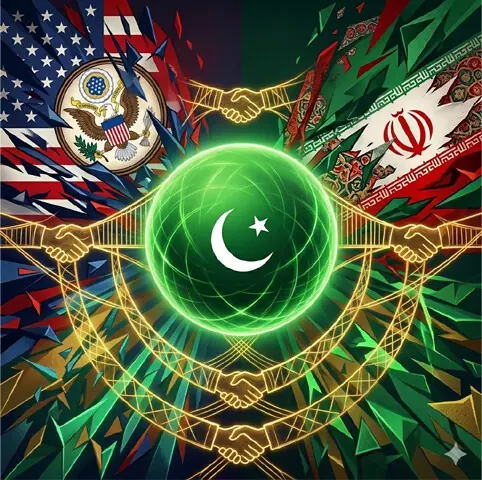
IT is encouraging to start one’s day with the positive news that Pakistan has successfully mediated a temporary ceasefire between Iran and the United States. Pakistan deserves commendation for its diplomatic efforts in bringing the warring parties to the negotiating table. This is a critical first step, and it is hoped that these efforts will continue to evolve into a more lasting and permanent cease-fire. Achieving this will require sustained confidence-building measures (CBMs) to foster trust and understanding between the two nations.
As Iran has been the primary victim in the conflict, the responsibility now lies with the US to take tangible steps to rebuild that trust. One significant move would be the removal of unjust sanctions imposed on Iran, which have intensified the suffering of its people. If the US can demonstrate genuine commitment to peace through actions like these, it could prompt a positive response from Iran, showing its willingness to be part of broader dialogue.
The world has witnessed the far-reaching effects of war, not only on the countries directly involved, but on global stability as a whole. From economic downturns to humanitarian crises, the consequences are widespread and deeply felt.
Therefore, it is critically essential for peace-loving forces around the world to redouble their efforts in resolving key conflicts, such as those in the Middle East, India-occupied Kashmir and Ukraine. These regions, long plagued by instability, offer an opportunity for the international community to shift its focus from military confrontation to sustainable peace-building.
If the vast resources currently being spent on warfare were redirected towards improving the lives of ordinary people — through education, healthcare, infra-structure and social services — the world would undoubtedly be a better place for everyone. The potential for global progress is enormous, but only if the world chooses to prioritise peace over conflict, as did Pakistan, and invest in our shared future.
Quayyum Raja
The Hague, Netherlands
Published in Dawn, April 12th, 2026