PML-N lawmaker submits resolution in PA, calls for nominating CDF Munir, PM Shehbaz, DPM Dar for Nobel Peace Prize
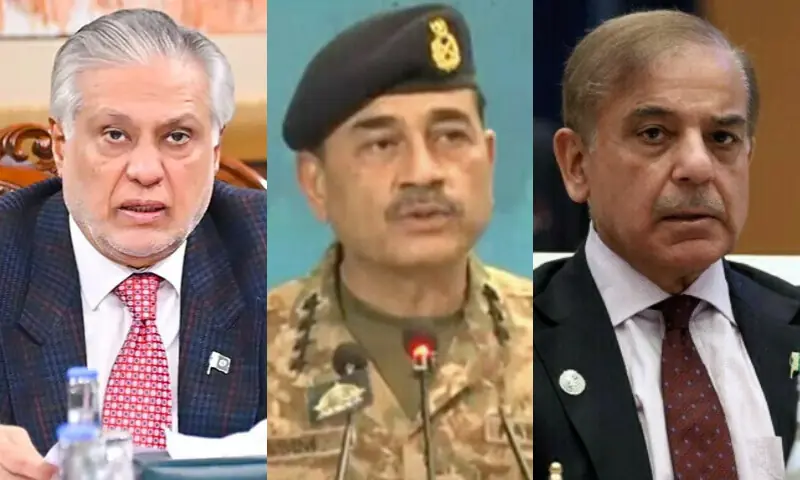
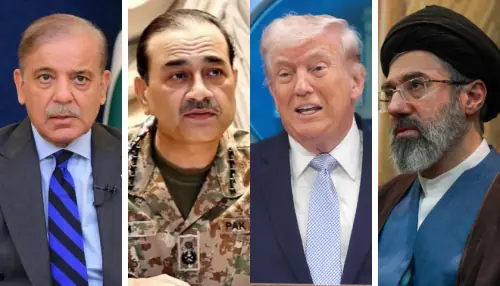
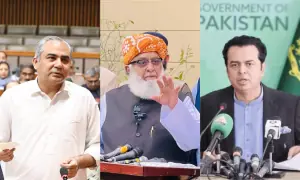
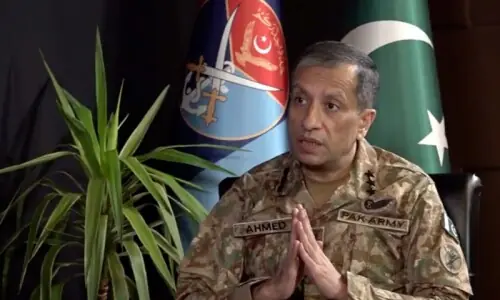
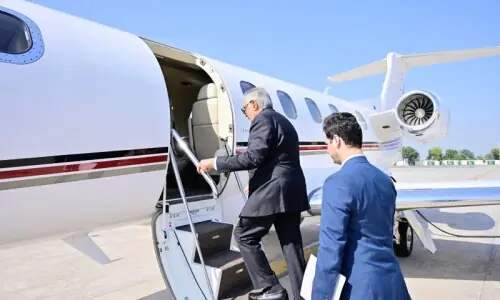
LAHORE: A PML-N lawmaker submitted on Thursday a resolution in the Punjab Assembly, calling for the nomination of Chief of Defence Forces (CDF) and Chief of Army Staff Field Marshal Asim Munir, Prime Minister Shehbaz Sharif and Deputy Prime Minister and Foreign Minister Ishaq Dar for the Nobel Peace Prize.
The resolution, submitted by PML-N Chief Whip Rana Muhammad Arshad, stated that Pakistan’s leadership demonstrated “effective diplomacy” amid escalating tensions between Iran and Israel and the United States. The growing tensions, the resolution added, threatened global peace.
It said Pakistan’s leadership played a significant role in promoting peace and stability at the international level during a period of heightened tensions.
The resolution also commended former PM and PML-N supremo Nawaz Sharif’s “guidance” in the matter, further highlighting Pakistan’s “positive and balanced global role”.
It called for the nomination of Field Marshal Munir, PM Shehbaz and DPM Dar for the Nobel Peace Prize.
Moreover, another Punjab Assembly member, Sarah Ahmad, who is also chairperson of the Punjab Child Protection and Welfare Board, submitted a resolution commending PM Shehbaz and CDF Munir in connection with efforts for de-escalation in the Middle East.
The resolution commended to their “wise leadership, timely diplomacy, and effective use of global engagement” in helping make progress toward a two-week ceasefire between the US and Iran, and averting a potentially large-scale conflict.
It further praised Pakistan’s efforts as a “responsible state” working for peace, stability, and brotherhood in the region.
The House also acknowledged the role of the government and armed forces’ leadership in preventing a major conflict and reaffirmed Pakistan’s commitment to continuing its positive role in promoting global peace, security, and stability in the future.
Pakistan positioned itself as a facilitator in the peace process between Tehran and Washington after the US and Israel launched attacks on Iran on February 28, setting off a conflict that gave rise to a global fuel crisis.
In the days that followed the attacks, PM Shehbaz and Dar spoke with more than a dozen world leaders and senior officials in Washington, Moscow, Beijing, key European capitals, Gulf Cooperation Council states, Turkey, Egypt and Saudi Arabia. The objective was to build consensus around a limited ceasefire as a first step toward formal negotiations.
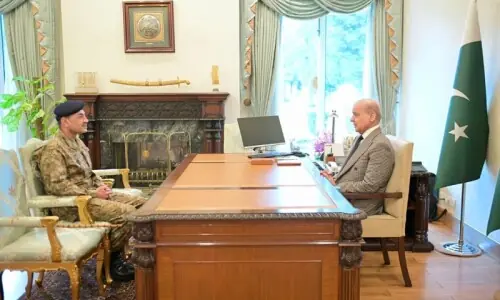
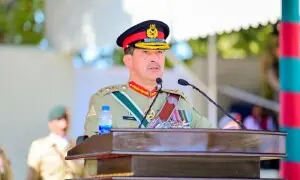
Pakistan’s military leadership has also reportedly played a part. Chief of Army Staff Field Marshal Syed Asim Munir held conversations with senior US officials, including President Donald Trump, diplomatic sources said, reinforcing civilian diplomatic efforts at a critical juncture.
The threats of the war prolonging and intensifying escalated on April 5, when Trump, after making an expletive-laden post, issued an unusually precise deadline for Iran to agree to a ceasefire deal with Washington and allow traffic through the Strait of Hormuz — a key maritime corridor through which 20pc of the world’s oil and liquefied natural gas flowed before the Middle East war began.
“Tuesday, 8:00 P.M. Eastern Time,” he wrote, coupled with the warning of bombing Iran’s power plants and bridges on that day, increasing pressure to prevent a worsening situation.
On the day of his deadline, Trump doubled down on his threats against Iran, alarming the world.
“A whole civilisation will die tonight, never to be brought back,” he wrote, prompting backlash from even within his country.
With hours left for the deadline to end, PM Shehbaz publicly requested Trump to “extend the deadline for two weeks”, noting that diplomatic efforts for a peaceful settlement of the ongoing war were “progressing steadily, strongly and powerfully”.
He also requested Iran to open the Strait of Hormuz for a corresponding period of two weeks.
Shortly thereafter, Trump took to his Truth Social platform to say that he had spoken with PM Shehbaz and CDF Munir.
“Subject to the Islamic Republic of Iran agreeing to the COMPLETE, IMMEDIATE, and SAFE OPENING of the Strait of Hormuz, I agree to suspend the bombing and attack of Iran for a period of two weeks,” Trump announced.
Subsequently, Iran’s Foreign Minister Araghchi shared a statement on behalf of the Supreme National Security Council declaring that if attacks against the country were halted, it would cease its defensive operations.