Pakistan among 60 countries facing US forced labour investigations
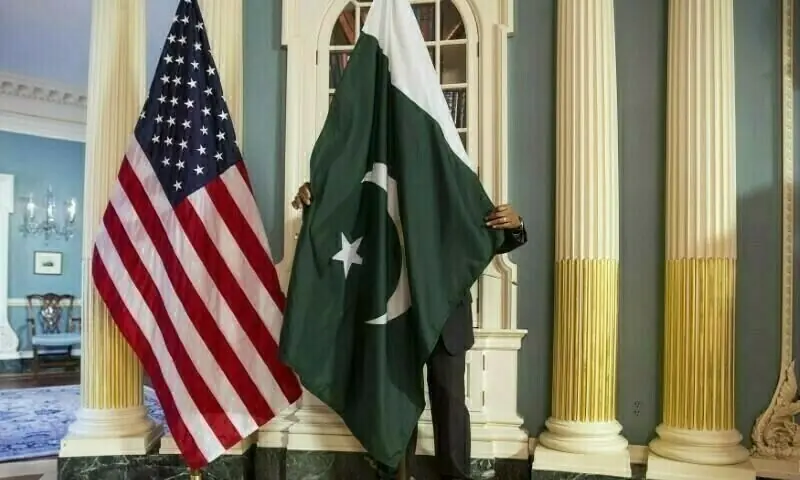
The United States Trade Representative (USTR) has initiated investigations into what it considers unfair trade practices in 60 economies, including Pakistan, according to a press release issued by the USTR on March 12.
According to the statement, the investigations will focus on whether governments have failed to impose and effectively enforce bans on the importation of goods produced with forced labour.
The economies subject to the investigations include many major US trading partners including the European Union, China, Japan, India, Mexico, South Korea, Singapore, Switzerland, Taiwan, Pakistan, and Vietnam.
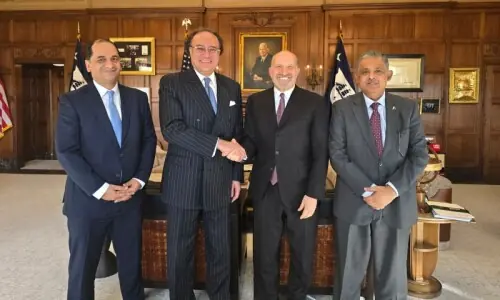
This comes as Pakistan and the US expressed a desire to enhance economic cooperation last month during a meeting in Washington between Finance Minister Muhammad Aurangzeb and US Commerce Secretary Howard A. Lutnick.
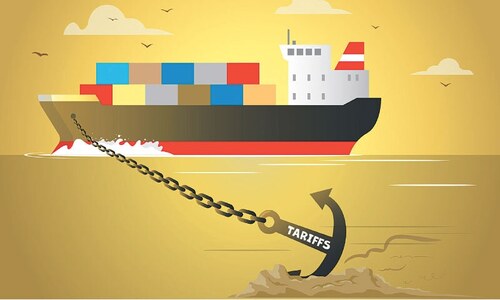
This probe may open the door to potential penalties such as new tariffs as President Donald Trump seeks to replace duties struck down by the Supreme Court.
Economists noted that the 29pc tariff on Pakistan last year saw immediate hurdles as the US is, by a significant margin, Pakistan’s biggest market, and may not be fully replaceable for Pakistani businesses
Ambassador Jamieson Greer, President Trump’s US Trade Representative, noted that “despite the international consensus against forced labour, governments have failed to impose and effectively enforce measures banning goods produced with forced labour from entering their markets”.
Greer correlated this directly with the health of the American economy, stating that “American workers and firms have been forced to compete against foreign producers who may have an artificial cost advantage gained from the scourge of forced labour”.
He also highlighted that the goal of the investigation is to see whether “foreign governments have taken sufficient steps to prohibit the importation of goods produced with forced labour and how the failure to eradicate these abhorrent practices impacts US workers and businesses“.
Section 301 of the Trade Act of 1974 is intended to address unfair foreign practices that affect US commerce and allows the US Trade Representative, under Section 302(b), to self-initiate investigations into foreign government actions deemed unjustifiable, unreasonable, or discriminatory.
The investigations were launched after consultations with the inter-agency Section 301 Committee and relevant advisory committees.
The USTR will now seek consultations with the governments under investigation. Hearings are scheduled for April 28, 2026, with written comments, requests to appear, and testimony summaries due by April 15.