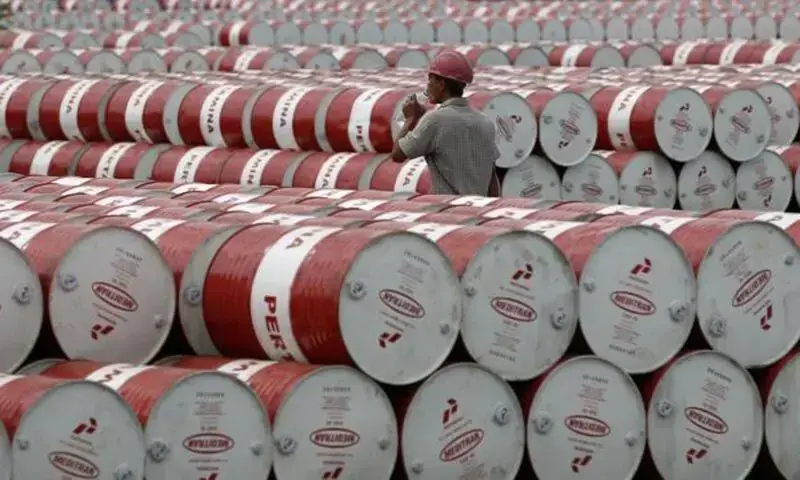

PARIS: In an attempt to rein in soaring crude oil prices, the International Energy Agency on Wednesday agreed to release 400 million barrels of oil, the largest such move in its history.
Nevertheless, oil prices gained nearly 5pc on Wednesday as further attacks on ships in the Strait of Hormuz worsened supply-disruption fears, and analysts said the release of reserves was inadequate to ease those concerns.
Fears that the conflict could drag on — choking energy supplies — sent both main crude contracts soaring on Monday to within a whisker of $120 a barrel, the highest since 2022. Natural gas prices also rocketed.
This was followed by a drop in prices on Tuesday after US President Donald Trump said the war was “going to be ended soon”, before turning higher again.
The IEA said all 32 member countries backed the release, the sixth coordinated stockpile release since the agency’s creation in the 1970s.
President Donald Trump said the US, a founding member of the IEA and the world’s top oil consumer and producer, would contribute “a little bit”.
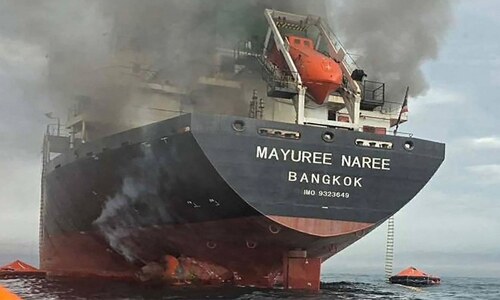
The release is aimed at preventing a further rise in oil prices that have spiked due to disruptions to around a fifth of global oil and gas supply along the Strait of Hormuz since the war began February 28.
Iran said on Wednesday the world should be ready for oil at $200 a barrel as its forces continue to hit merchant ships on the strait.
Japan, which relies heavily on Middle Eastern oil, said it planned to release around 80 million barrels from its private and national oil reserves as its contribution.
“India stands ready to take appropriate measures, as necessary, to support global market stability in alignment with the efforts of the International Energy Agency,” India’s ministry of petroleum and natural gas said in a statement.
While it may be a record reserves release, it still replaces only part of the lost supplies, noted analyst Helge Andre Martinsen at DNB Carnegie.
“I’m not surprised that the market is reacting like this given that the announcement was priced in,” said Gary Ross, CEO of Black Gold Investors and a veteran oil market analyst.
“This situation is not manageable without some demand destruction and much higher prices, unless the conflict ends.” Analysts have also said the pace of daily IEA stock releases would matter as much as, if not more than, the overall size.
Published in Dawn, March 12th, 2026