0
0
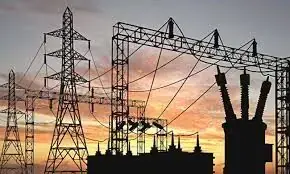

ISLAMABAD: Pakistan’s power distribution system is bleeding over Rs1 trillion annually due to transmission and distribution losses and unpaid bills, struggling to deliver reliable and quality electricity to consumers and the economy.
This has been concluded by the National Electric Power Regulatory Authority (Nepra) in its Performance Evaluation Report of Distribution Companies for FY25, which underscores the “ongoing structural and operational challenges within Pakistan’s power sector, such as high transmission and distribution losses, poor billing and recovery performance, frequent loadshedding, and delays in providing new connections”.
Not only this, “safety remains a critical concern, with a significant number of fatalities reported among both employees and the public”, the Nepra said, which observed that the government’s illegal policy of revenue-loss-based power cuts had failed to yield results and continued to increase circular debt.
Safety performance in the power sector witnessed a troubling decline during 2024-25, with 118 fatalities reported across various distribution companies — 38 involving employees and 80 members of the public.
Islamabad Electric Supply Company (Iesco) reported the highest number of incidents, followed by Pesco, K-Electric and Hesco. These companies attributed many of these accidents to consumer negligence or incidents occurring on private premises.
Nepra report highlights crippling T&D losses and unpaid bills
The regulator noted that ex-Wapda Discos still jointly faced about 17.55pc T&D losses and unrecovered billing of about 3.5pc during 2024-25. This meant about Rs910bn worth of energy went down the drain in the distribution network. With KE’s contribution, the cumulative loss goes well beyond Rs1tr.
The regulator noted some improvements in certain areas but noted that “enduring issues such as elevated T&D losses, weak revenue recovery, and inadequate safety practices continue to affect operational efficiency.
The most significant concerns remain high T&D losses, poor recovery performance, and unreliable system operations — all contributing to the accumulation of circular debt and the deterioration of service quality for consumers and a continuous significant challenge for Pakistan’s power sector.”
No Disco successfully achieved the set targets for technical loss. Consequently, the sector incurred an estimated financial loss of Rs265 billion. The highest contributors to this shortfall were Pesco, Qesco, Sepco, and Lesco with losses of Rs87.48bn, Rs52.41bn, Rs36.04bn, and Rs35.17bn, respectively.
Published in Dawn, February 26th, 2026