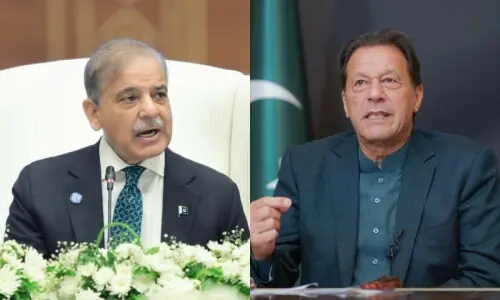
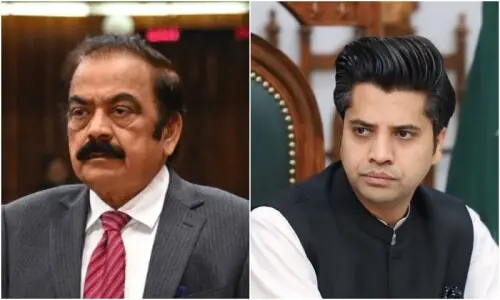
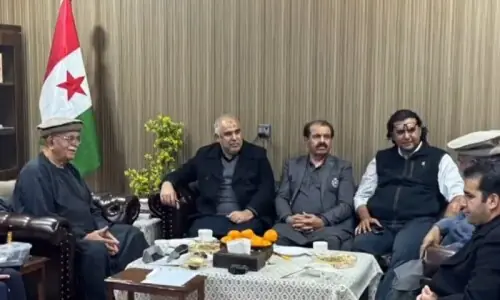
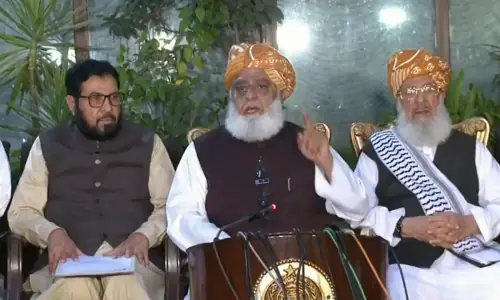
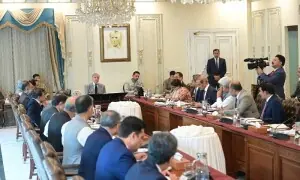
AFTER the opposition Tehreek Tahafuz Ayeen-i-Pakistan stated last Sunday that it still believes dialogue was the way out of the present crisis, Prime Minister Shehbaz Sharif was quick to reciprocate the same on behalf of the government.
This Wednesday, the TTAP seems to have decided to take the PM up on his offer, while also reiterating its demand for a new charter of democracy aimed at addressing recurrent issues in politics and governance. Amidst the doom and gloom that has clouded the national mood in recent memory, this has been a rather unexpected development. It is, perhaps, the only silver lining in Pakistani politics at the moment. Yet, since matters are still in very early stages, much care is needed so as not to spoil the opportunity for a long-needed political rapprochement.
With the country’s civilian leadership finally prepared to make another attempt at breaking the political deadlock, the various stakeholders in the process must be measured in what they say. Diplomacy requires tact and the good sense to know what to say, and when. A careless remark or needless show of hostility here or there can set efforts back considerably, if not derail them altogether.
Therefore, the positions taken by the principal negotiators must always be articulated clearly and respected by the parties they claim to represent. In this context, it was quite unhelpful of PTI spokesperson Sheikh Waqqas Akram to declare during a TV interview, conducted shortly after the TTAP had announced its intentions, that his party would steer clear of any negotiations with the government on former PM Imran Khan’s orders. The statement muddied the waters.
To recall, Mr Khan’s trust in and respect for TTAP leaders Mehmood Achakzai and Allama Raja Nasir Abbas had been declared on the former’s X account just weeks ago. The two are, respectively, also the PTI’s nominees for the vacant slots of opposition leader in the National Assembly and Senate. If the PTI has decided to trust the gentlemen, then why publicly express opposition to dialogue when they have already made a decision on this matter?
Mr Akram seems to have promptly realised that he was complicating matters, because he also conceded in the same breath that Mr Achakzai and Allama Raja Nasir did have the authority to decide whether or not talks should be held. The two leaders are old hands who likely have a better understanding of how political disputes are negotiated. They must be allowed to make an attempt at reconciliation without being second-guessed publicly.
Immature statements will only complicate their task and perpetuate a conflict that serves no one. Any doubts or conflicts of opinion within each camp must be raised and addressed internally, rather than being announced to the public. This much is common sense.
Published in Dawn, December 27th, 2025