4
4

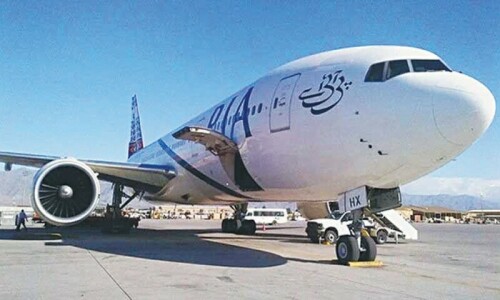
PIA’S sale — the first major privatisation in nearly two decades — is being hailed as a historic achievement. Symbolically, it is. Substantively, it is far more complicated because it underscores Pakistan’s economic constraints, low investor interest, bureaucratic resistance to reforms, and public misgivings over the privatisation process.
The government’s disinvestment of its majority stake in the national flag carrier undoubtedly represents a significant breakthrough. This comes nearly five decades after the first Benazir Bhutto administration sold about 8pc of the state’s shareholding in the company through the stock exchange, and follows multiple missed deadlines since and a failed privatisation attempt last year.
It shows how politically and economically fraught privatisation of SOEs, especially entities like PIA and Pakistan Steel Mills, has been. Further, it highlights how frustrating and costly it can be for any administration to generate investor interest in privatisation due to past examples of political victimisation of buyers, frequent policy reversals, transparency issues, judicial interventions etc.
Successful sale apart, the fact remains that PIA could not have been sold without the state first cleaning up its balance sheet by transferring the firm’s legacy liabilities in debt, losses and pension obligations to a holding company, partial write-off, as well as substantial tax concessions, deferred credits and other incentives to sweeten the deal for investors.
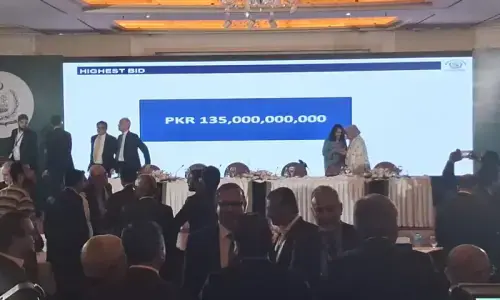
The buyers will now get a company with positive equity, four million passengers in annual traffic, and global landing rights. Given this background, it is not surprising that the winning bid of Rs135bn — including the actual sale price of Rs10bn and commitment of capital investment of Rs125bn in the airline’s operations and fleet over the next five years — for 75pc of the current government holding in the airline’s operating assets has raised many an eyebrow.
With the total valuation assessed at Rs180bn for the state’s current 92pc stake in the airline, the government expects to receive another Rs45bn in cash from the sale of its remaining stake in the airline. The authorities and many others consider this a good deal for the government, considering it will save billions in future losses. Nonetheless, it isn’t much of a concern for them that taxpayers will continue to pay for PIA’s legacy losses till these are fully liquidated.
The way this transaction has been structured to rope in buyers also belies the claims of restoration of investor confidence in the economy or privatisation. Not a single foreign investor or airline cared to bid for the airline despite the ‘sweetest’ possible deal. Not just that. The winning bidder’s plan to rope in a military-owned fertiliser company, which had bowed out of the competition only days back, seems less for its capital needs than its desire for institutional backing to hedge against unpredictability. Upcoming SOE sales will test whether investor interest exists beyond this deal.
Published in Dawn, December 25th, 2025