Australia hits Taliban officials with sanctions

SYDNEY: Australia imposed financial sanctions and travel bans on four officials in Afghanistan’s Taliban government on Saturday over what it said was a deteriorating human rights situation in the country, especially for women and girls.
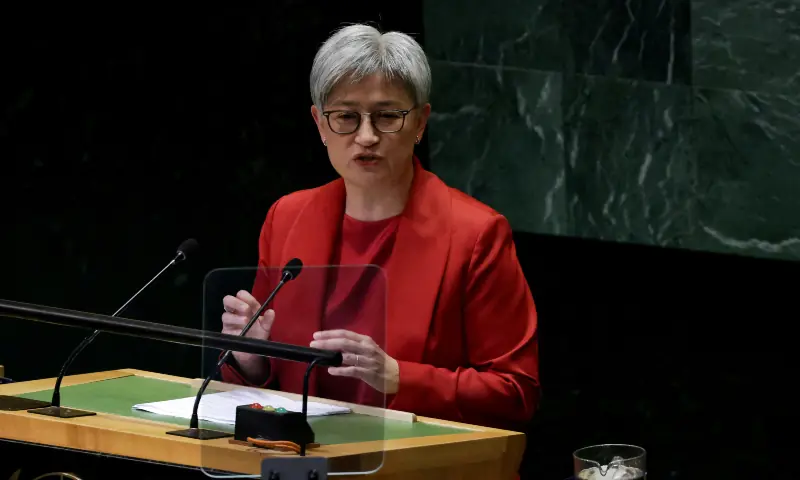
Australia’s Foreign Minister Penny Wong said the officials were involved “in the oppression of women and girls and in undermining good governance or the rule of law” in Afghanistan.
Australia was one of several nations which pulled troops out of Afghanistan in Aug 2021, after being part of a Nato-led international force that trained Afghan security forces and fought the Taliban for two decades after Western-backed forces ousted them from power in 2001.
The Taliban, since regaining power in Afghanistan, have been criticised for deeply restricting the rights and freedom of women and girls through bans on education and work.
The Taliban government says it respects women’s rights, in line with its interpretation of Islamic law and local custom.
Wong, the Australian foreign minister, said in a statement the sanctions targeted three Taliban ministers and the chief justice, accusing them of restricting access for girls and women “to education, employment, freedom of movement and the ability to participate in public life”.
The measures were part of a new Australian government framework that enabled it to “directly impose its own sanctions and travel bans to increase pressure on the Taliban, targeting the oppression of the Afghan people”, Wong said.
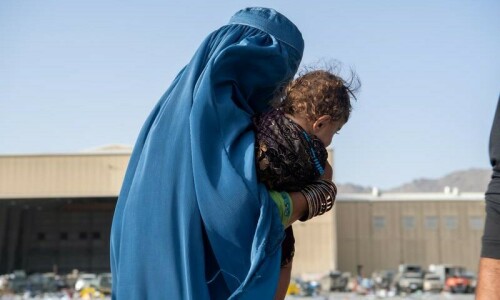
Australia took in thousands of evacuees, mostly women and children, from Afghanistan after the Taliban retook power in the country, where much of the population now relies on humanitarian aid to survive.
Published in Dawn, December 7th, 2025