Trade deficit surges 56pc in October


• Exports fall 4pc YoY to $10.448bn, while imports surge 15pc to $23.03bn in 4MFY26
• Experts warn of limited space for structural reforms amid growing economic pressures
KARACHI: Pakistan’s economic recovery faces mounting pressure as key indicators, including trade deficits and inflation, show worrying trends.
The trade deficit in October surged 56 per cent year-on-year (YoY) to $3.2bn, according to data released by the Pakistan Bureau of Statistics on Tuesday. While this was 4pc lower than September’s deficit, the sharp rise reflects sustained pressure on the country’s external account.
Cumulative figures for July-October FY26 show the trade deficit widened 38pc YoY to $12.582bn, up from $9.115bn during the same period last fiscal year. Analysts attribute this increase to a combination of rising imports and declining exports.
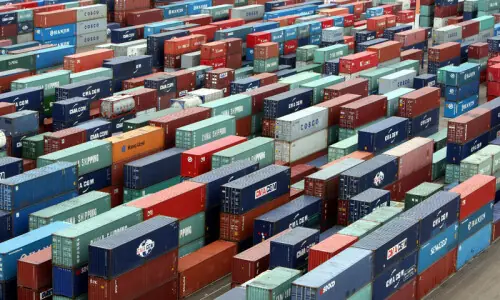
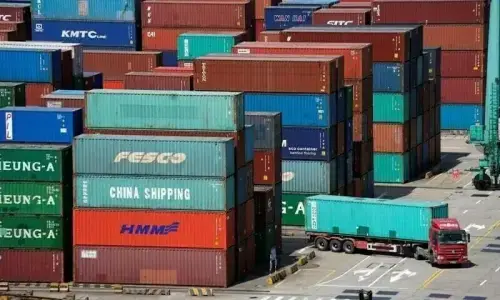
Exports during the first four months fell 4pc YoY to $10.448bn, while imports surged 15pc to $23.03bn. October exports were 4pc higher than September, but monthly imports crossed the $6bn mark for the first time in nearly three years, compared to $5bn in October FY25.
Economic experts caution that unchecked import growth could further widen the trade deficit, jeopardising the possibility of a current account surplus, boosting State Bank reserves, and maintaining a stable exchange rate. Conversely, restricting imports could slow economic growth, threaten jobs, and push poverty rates higher.
Meanwhile, inflation rose to 6.2pc in October, the highest of the year, but still within the Ministry of Finance’s projected range of 6.8-7.2pc for 2025-26. Core inflation, however, remains persistently high at over 7.5pc, limiting room for meaningful structural reforms.
Finance Minister Muhammad Aurangzeb has maintained that the economy is stable, emphasising the need for reforms to boost GDP growth. Yet analysts warn that the widening trade deficit and persistent inflation could constrain the government’s ability to implement growth-friendly policies.
Hopes of stimulating growth through foreign investment remain central to government strategy. However, rising import bills and sluggish export performance suggest that economic recovery may remain fragile unless decisive measures are taken to balance trade, manage inflation, and strengthen industrial output.
Pakistan now faces a critical crossroad: allowing imports to expand risks eroding current account gains, while restricting them could slow economic growth, increase unemployment, and exacerbate poverty — a delicate balance that will define FY26’s economic trajectory.
Published in Dawn, November 5th, 2025