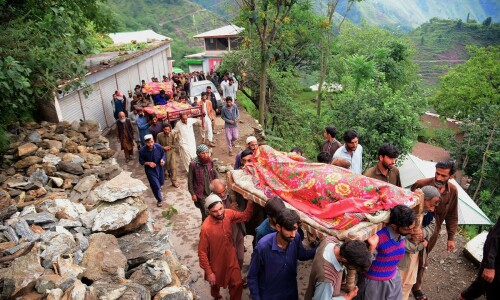
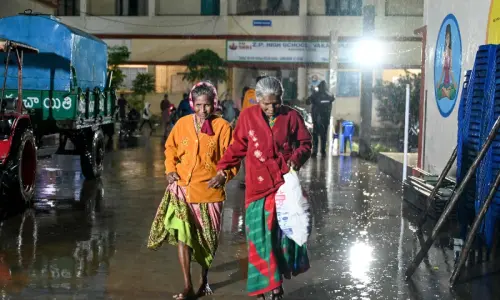
EVEN as Pakistan counts around 100 deaths since the onset of the monsoon season on June 26, it is bracing for another spell of heavy rain. The Met Office has forecast widespread rain and thunderstorms through July 28, while the NDMA has warned of rising river levels, flash floods, urban flooding and landslides across large parts of the country.
From Gilgit-Baltistan, where glacial lake outburst floods have severed roads, left tourists stranded and disrupted electricity to Punjab’s inundated cities and swelling rivers, Pakistan is confronting a nationwide emergency rather than a handful of isolated weather events.
Lahore has recorded its heaviest rainfall of the season so far, Gujranwala and Sialkot have witnessed extensive flooding, while roads, homes, crops, livestock and public infrastructure have suffered much damage. We are reminded once more of how quickly a weather emergency can become a humanitarian one.
The lesson of the devastating 2022 floods was that climate adaptation must become a permanent function of government. Four years later, many of the same weaknesses persist. Every monsoon exposes clogged drains, encroachments on waterways, fragile buildings, poorly maintained roads, fragmented institutions and delayed relief. Official claims of improved drainage and successful desilting deserve recognition where they have demonstrably reduced waterlogging, but they also warrant scrutiny when major roads remain submerged, sinkholes appear after heavy rain, communities are cut off for days and residents are left to empty flooded homes with buckets.
Climate change is undoubtedly intensifying extreme weather, yet governance failures continue to magnify its human cost. Adaptation cannot consist of emergency meetings and relief announcements alone; it must be reflected in resilient infrastructure, stronger planning and accountable institutions.
With more rain forecast, the priority must be to prevent further loss of life. Rescue teams, boats, food, medicines, generators and communications equipment should be pre-positioned in vulnerable districts, while warnings must reach communities in local languages through every available medium. Roads to isolated northern valleys should be restored urgently, with helicopters deployed wherever ground access remains impossible. Power distribution companies must secure hazardous installations, and administrations should close dangerous underpasses, riverbanks and mountain routes before tragedies occur.
Beyond the present emergency, governments should publish district-level flood-risk maps, enforce bans on construction over drains and floodplains, expand glacial monitoring and early-warning systems, and subject preparedness claims to independent audits.
Pakistan cannot prevent the monsoon, but it can stop treating predictable hazards as annual surprises. After all, preparedness is judged not by official briefings, but by lives protected.
Published in Dawn, July 27th, 2026