

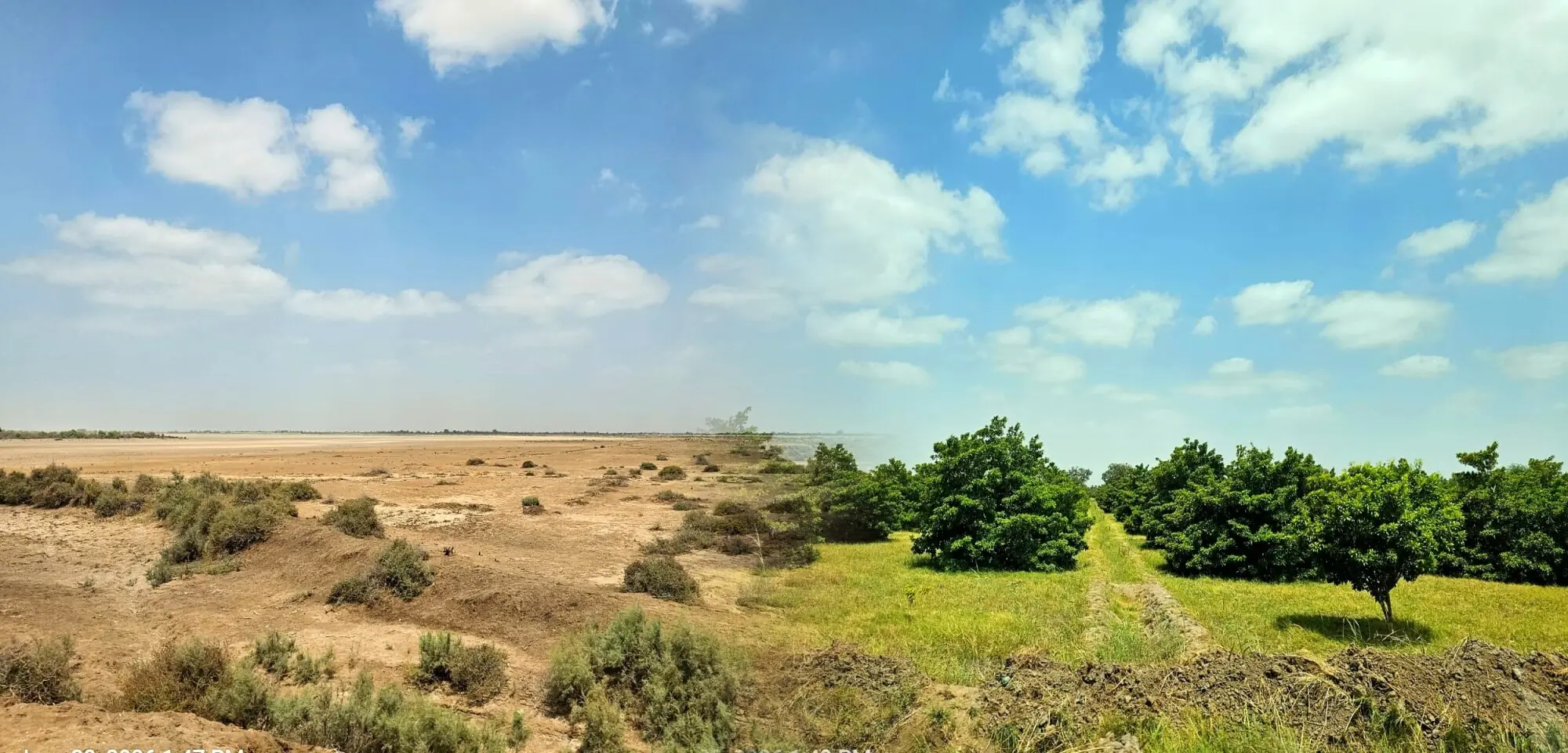
Where farmers meet corporate capital: How Savak is building Pakistan's climate asset pipeline


If corporate Pakistan is looking for measurable climate action beyond another plantation drive, Savak is worth watching.
For years, companies have funded trees, awareness campaigns and rural support through CSR. Much of this has been sincere. But CSR is limited by design: annual, finite and usually spent once. It can support communities, but it rarely creates a mechanism through which capital returns, recycles and expands into the next community. Pakistan’s climate challenge now requires projects that serve communities and can also become credible assets for corporate and institutional capital.
That is the gap Savak has been created to address. Built by Resources Future, Savak is a community agroforestry platform designed to turn smallholder farmer participation into investment-ready climate assets. It brings together farmers, land, fruit-bearing trees, digital monitoring, carbon project development and private capital into one disciplined system.
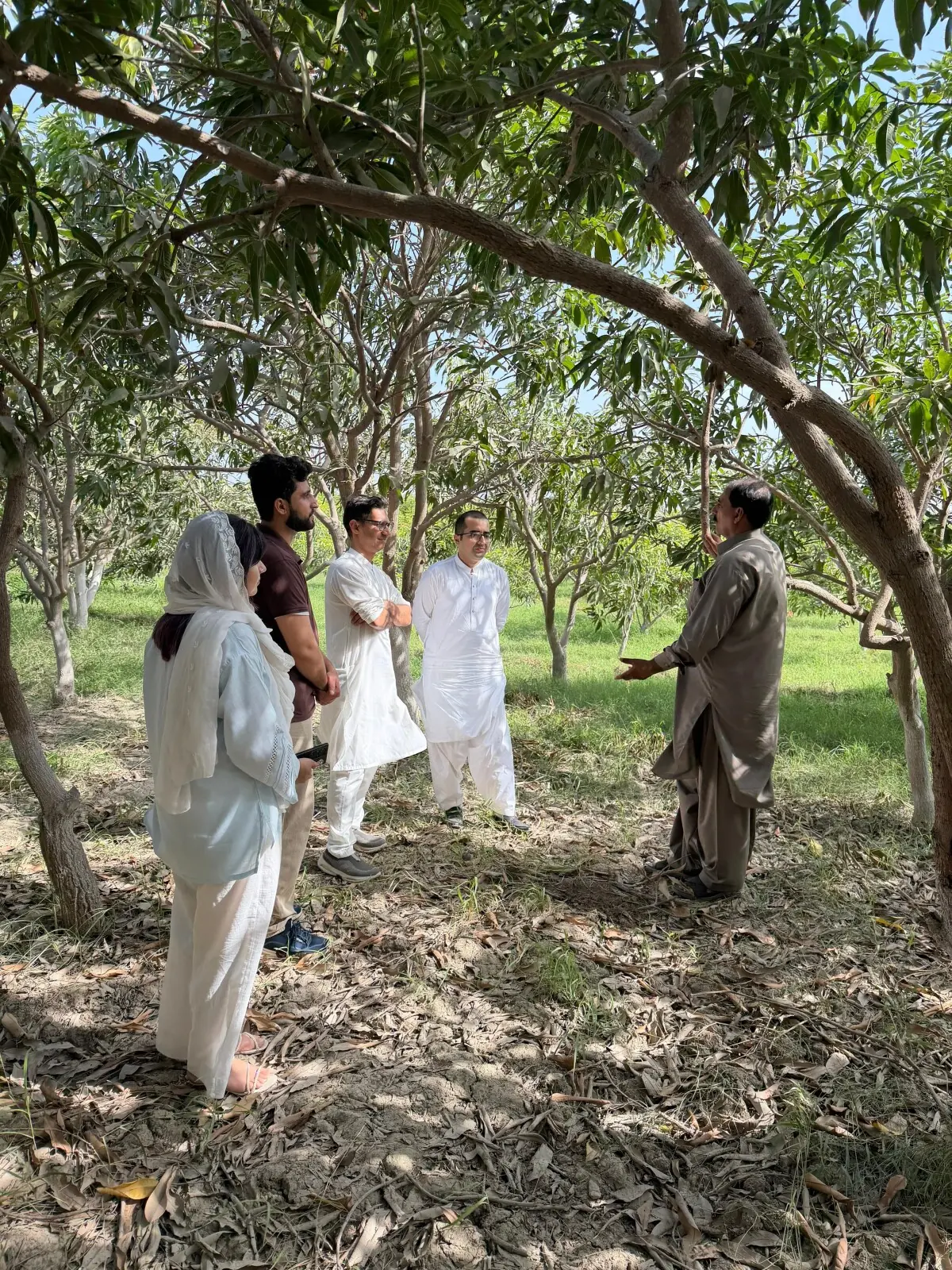
Savak’s first activation is in Mirpurkhas, Sindh, covering approximately 540 acres across 23 farmers. Farmers are being supported to establish mango, chikoo, jamun and lemon orchards, selected for local suitability, income potential and long-term carbon sequestration. The aim is not simply to plant trees. It is to build productive orchards that improve livelihoods by 3x while creating a future carbon credit asset capable of attracting commercial capital.
This distinction matters for corporates. A tree becomes valuable in carbon market terms only if it survives, grows, is monitored and can demonstrate measurable outcomes. The same orchard can be a short-lived development activity or a credible climate asset. The difference lies in governance, farmer incentives, verification, data and discipline.
Most plantation campaigns stop at distribution. Savak starts there.
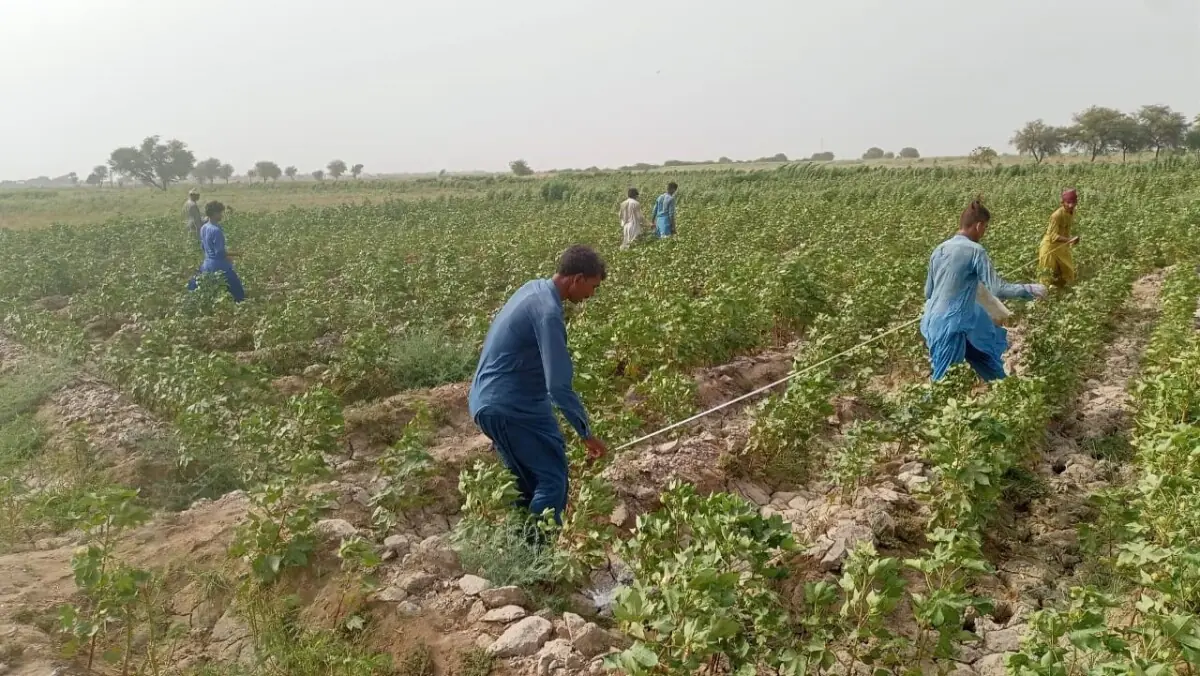
Savak works with communities over the long term: forming farmer groups, supporting orchard establishment, maintaining digital records, monitoring tree survival and building transparent benefit-sharing systems. The digital dashboard records every farmer interaction, including GIS analysis, land suitability assessments, and flood and drought risk modelling of every farmer plot. For corporate sustainability teams, this converts intention into evidence: where the asset is, who is participating, what has been screened and how the project is progressing.
This is where Savak becomes commercially relevant. Traditional CSR can help, but it cannot be the only answer. A corporate that spends once may create one-time impact. A corporate that participates in a carbon-linked structure can help develop an asset that may recover value as carbon credits mature, and that value can potentially be recycled into additional communities. Savak is therefore trying to shift climate participation from one-off funding to a repeatable pipeline that expands service delivery to farmers.
To make participation simple, Savak is offering defined corporate participation packages: Rs. 2.5 million for Silver, Rs. 5 million for Gold and Rs. 10 million for Platinum. These packages are designed for corporates seeking a clear entry point into Savak’s future carbon credit pipeline. They are not issued offsets today and should not be treated as carbon-neutrality claims. They are future participation routes, subject to project development, validation, verification, issuance and applicable market rules.
Each package gives corporates a clearer sense of what to expect: defined participation economics, structured project updates, MRV evidence and reporting that can support sustainability, investment committee and board-level conversations. As Pakistan’s Green Taxonomy and ESG disclosure expectations evolve, corporates will increasingly need projects that can show traceable climate and community outcomes. Savak has been built with that evidence requirement in mind.
The first orchards are taking shape. The next challenge is to attract capital, which is willing to help build Pakistan’s first nationwide pipeline of investment-grade agroforestry projects. If you are part of a corporate sustainability or strategy team, Savak is now open for early conversations. Request a live demo, review the participation packages, and see how every farmer interaction is being digitized into a transparent climate asset pathway.
Find out more at https://savak.resourcesfuture.com/investment-packages or reach the Savak team at savak@resourcesfuture.com.
This content is an advertorial by Savak and is not associated with or necessarily reflective of the views of Dawn.com or its editorial staff.


 0
0