Move to privatise lab diagnostic services at Karachi’s JPMC, Larkana’s CMCH

• Public-Private Partnership Policy Board approves transaction advisory services to outsource radiology and diagnostic lab services at two major public sector hospitals in Sindh
• Okays elevated freight corridor to improve port connectivity
• Accepts proposal of private firm to bring and operate 500 e-buses in Karachi and Hyderabad
KARACHI: In what appears to be a decision that may adversely impact thousands of patients belonging to the lower strata of life, the Sindh government is planning to outsource radiology and diagnostic lab services at two major hospitals in the province, including the Jinnah Postgraduate Medical Centre and approved funds to hire “transaction advisers” for the purpose.
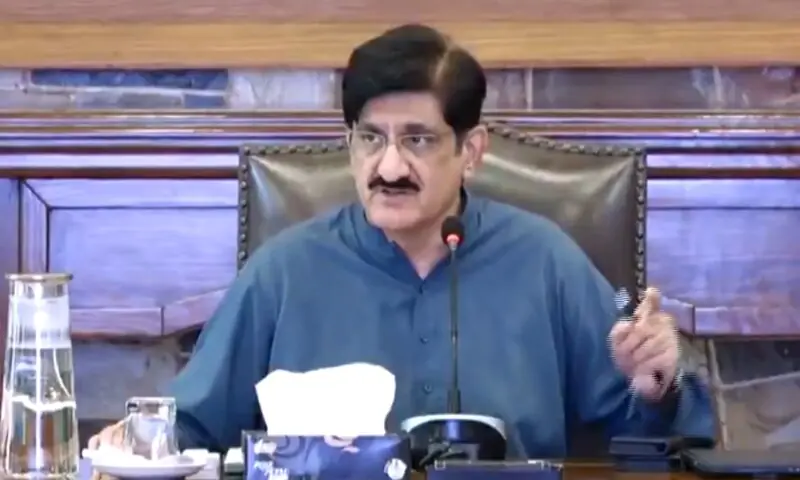
A decision to this effect was taken at the 48th meeting of the Public-Private Partnership Policy (PPP) Board, chaired by Chief Minister Syed Murad Ali Shah, at the CM House on Friday.
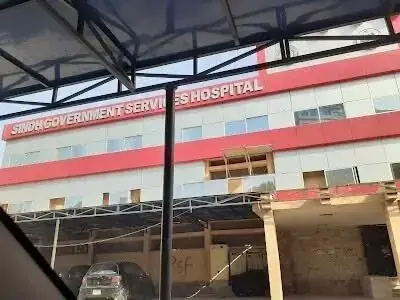
According to a press release, the policy board approved “funding to hire transaction advisors for the feasibility study and transaction advisory services to outsource radiology and diagnostic lab services at the Chandka Medical College Hospital (CMCH), Larkana and JPMC, Karachi”.
“The health Department intends to implement the project under the public-private partnership (PPP) modality to address serious challenges in operation and maintenance (O&M) of advanced diagnostic equipment such as MRI, CT scan, digital X-ray, ultrasound, and echocardiography,” it said.
It claimed that after outsourcing, the private partner will invest in new equipment, ensure their operation and maintenance, upgrade outdated systems, deploy trained staff, and improve turnaround time for test results, ensuring quality and patient-centred diagnostic services.
Private firm to bring, operate 500 e-buses
The policy board also approved procurement of 500 electric buses for Karachi and Hyderabad, aiming to offer residents a cost-effective, safer, and eco-friendly transportation alternative.
The board endorsed the scope, structure and risk matrix of the Peoples Green Transport Project and also “accepted the amended unsolicited proposal submitted by a private firm, granting it the ‘Right of First Refusal’ and exemption from the prequalification process”.
Under the project, 500 electric buses will be deployed in phases along with depots, charging infrastructure, bus shelters and an automatic fare collection and intelligent transport system.
The project, to be executed on a design, build, finance, manage, operate and transfer (DBFMOT) model with a 12-year concession period, is expected to serve over 200,000 passengers daily and integrate with the Green Line bus rapid transit project (BRT).
Elevated expressway
The policy board approved the development of an elevated expressway to connect the Karachi port with Qayumabad at the Jam Sadiq Interchange.
The CM directed the board to expedite the paperwork so that he could lay the foundation stone of the project.
The board endorsed the project scope, transaction structure and risk matrix, and “approved the unsolicited proposal for competitive bidding”.
The project involves design, finance, construction, and 25-year O&M of a 16.5-km, four-lane elevated freight expressway.
The expressway will reduce travel distance by 26 kilometres, enabling 24/7 heavy traffic movement, easing congestion on urban roads, and improving port efficiency and connectivity with M-9 and Malir Expressway, also called Shahrah-i-Bhutto.
The Board also approved design changes to align with the project with the Yellow Line BRT, add mixed-traffic ramps, improve port connectivity, and avoid major land acquisition.
‘Carbon removal through forestation’
With the intention to restore forest in the riverine areas to minimise the climate impacts and contribute to the reduction in greenhouse gases in Pakistan, the board accorded its approval to a riverine forestation project on approximately 41,000 hectares in districts of Jamshoro and Matiari under the PPP mode.
The forest department was asked to issue the letter of award to the preferred bidders for three bidding packages.
“The project is expected to generate approximately 35 to 40 million carbon credits, which will be monetised through international carbon markets, resulting in significant foreign exchange earnings,” the press release said.
The board also approved engagement of the Asian Development Bank (ADB) for a feasibility study for a new riverine forestation project that will be spanned 88,000 hectares approximately.
Published in Dawn, October 11th, 2025