Slippages to be covered, new IMF representative assured


ISLAMABAD: Pakistan on Thursday reassured the International Monetary Fund (IMF) that it would make up for some earlier slippages before the first biannual review due in February and stay steadfast to subsequent targets for ensuring a smooth and successful completion of the 37-month $7bn programme.
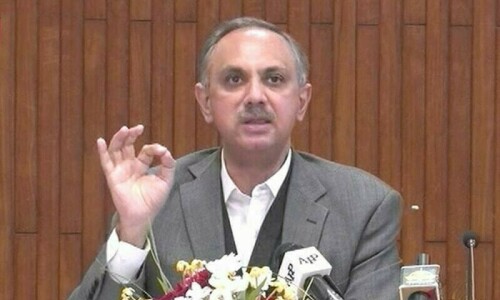
Finance Minister Muhammad Aurangzeb extended the assurance to the IMF’s new resident representative in Islamabad, Mahir Binici, on Thursday. The minister also assured Mr Binici of “a smooth day-to-day consultation”.
Pakistan has missed at least three targets so far, according to a recent briefing to the National Assembly’s Standing Committee on Finance by the finance minister and the secretary finance that included revenue target, debt maturity and provincial legislations for additional taxes in their domain like agricultural income tax, real estate and sales tax harmonisation.
Some missed targets created concerns for the IMF staff and the government authorities. The federal government has since been gearing up consultations with the provinces to recover the loss amid tepid outcomes from some provinces.
During the meeting with the IMF resident representative, the minister reiterated “Pakistan’s commitment to ensuring a smooth and successful completion of the 37-month programme” of macroeconomic reforms and structural adjustments funded and supported by the IMF, according to an official statement.
The government is very clear that the trust and credibility we have regained over the last 14 months, must be maintained to lay the path for an inclusive and sustainable growth, the minister was quoted as saying. The meeting is believed to have touched on weak areas, missed targets, and how to make up for the loss.
Secretary Finance Imdadullah Bosal had testified before the parliamentary panel that Pakistan “missed” targets relating to the first-quarter revenue target, increasing the weighted average time to maturity condition for domestic debt and provincial legislation — the first two targets for the end of September and the last one for end-October.
While the federal government claim that provinces claim some spending responsibilities from the centre have to be devolved to them in line with the 18th constitutional amendment, including additional contributions for higher education, health, social protection, and regional public infrastructure investment, these are taking time and facing resistance to materialise.
The IMF and the federal government expect the provinces will take steps to increase their own tax-collection efforts in sales tax on services, property tax, and agricultural income tax.
For this, the provinces were required to amend the Agricultural Income Tax (AIT) regimes to fully align them, through necessary legislative changes, with Federal Personal Income (small farmers) and Corporate Income (commercial agriculture) tax regimes by end-October and begin taxation of agricultural income under this new regime from Jan 1, 2025.
The provinces are also expected to transition the services GST from a positive list to a negative list approach to combat tax evasion to take effect from the start of FY26 and aim to collectively raise revenues from corporate tax in Agriculture and GST on services combined with provincial tax effort in expanding additional areas of revenue collection.
They would also develop, implement and collect revenue under a common approach to property taxation and implement the necessary administrative reforms to narrow the tax compliance gap, including for the GST. The National Tax Council’s terms of reference will be expanded to include the design of the relevant tax measures, including property tax, and the necessary legal and administrative changes to implement them.
On the spending side, the provinces “shall provide additional contributions for Higher Education to the Federal Government supported initiatives of the Higher Education Commission (HEC). Federal and provincial governments shall gradually rebuild spending on health and education programs as a share of GDP”.
Published in Dawn, December 6th, 2024