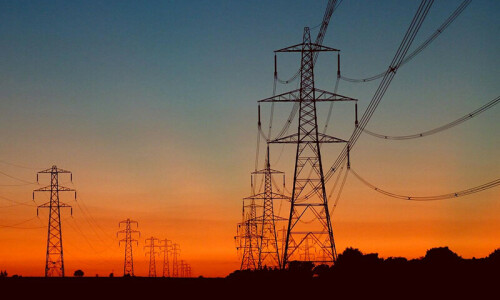
FINALLY, some tangible relief. With the worst of the inflationary storm now behind us, the government’s decision to slash the electricity tariff for domestic and industrial consumers will give honest bill-payers some much-needed breathing space in the coming months.
Their budgets ravaged by extended periods of high inflation, most households have long been at the end of their tether. Millions have been forced to make many painful adjustments in order to absorb eye-watering increases in the cost of living over the past three-odd years. These sacrifices have undoubtedly augmented public discontent against the incumbent ruling parties.
Now, the government wants citizens to know and feel that the end of the crisis is finally in sight. With prices of most items of domestic use stabilising and electricity tariffs also being slashed by a not insignificant amount, it is hoping that citizens will finally be able to appreciate the ‘economic turnaround’ it has long touted as its major achievement.
Likewise, domestic industry, which has been complaining loudly about losing its competitive edge ever since the government jacked up electricity prices in order to rationalise them under strict conditions imposed by the IMF, finally has something to cheer about. The electricity tariff cut will help producers trim their expenses and boost their profitability, which has excited the stock market no end. The benchmark KSE-100 Index flirted with all-time highs following the announcement as investors priced in the impact of lower electricity rates on the balance sheets of their favoured companies.
The government will obviously be hoping that its ‘Eid gift’ will provide a fillip to industrial activity, which has been sluggish amidst the overall slowdown in the economy. The rate cut will also help exporters, who hold the key to a broader economic turnaround, absorb some of the headwinds from the ongoing upheavals in global trade.
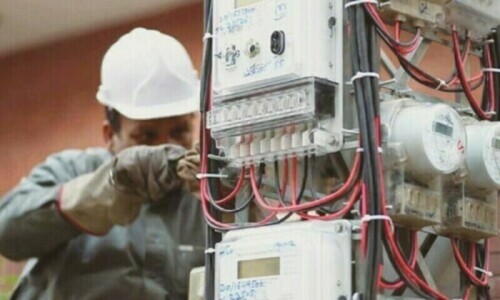
Most encouragingly, the prime minister has promised that the authorities will push for more reductions in electricity pricing in the coming months. Further tariff cuts are to be achieved by curtailing losses of around Rs600bn each year due to electricity theft, opening up electricity market operations, and, finally, by either privatising power distribution companies or handing them over to the provinces, the prime minister said.
These measures have long been advocated by energy market analysts and policy experts but never meaningfully pursued by the authorities. If this government puts its foot down and manages to ensure that the requisite reforms are implemented, it will earn much praise and commendation for reforming a vital segment of the economy.
Similarly, it must also correct the imbalances inherent in other aspects of the economy, especially the obvious unfairness in the state’s revenue policies, if it wishes to improve ordinary citizens’ lives while meeting its obligations to foreign lenders.
Published in Dawn, April 5th, 2025