‘Counter tariffs not an option for Pakistan’
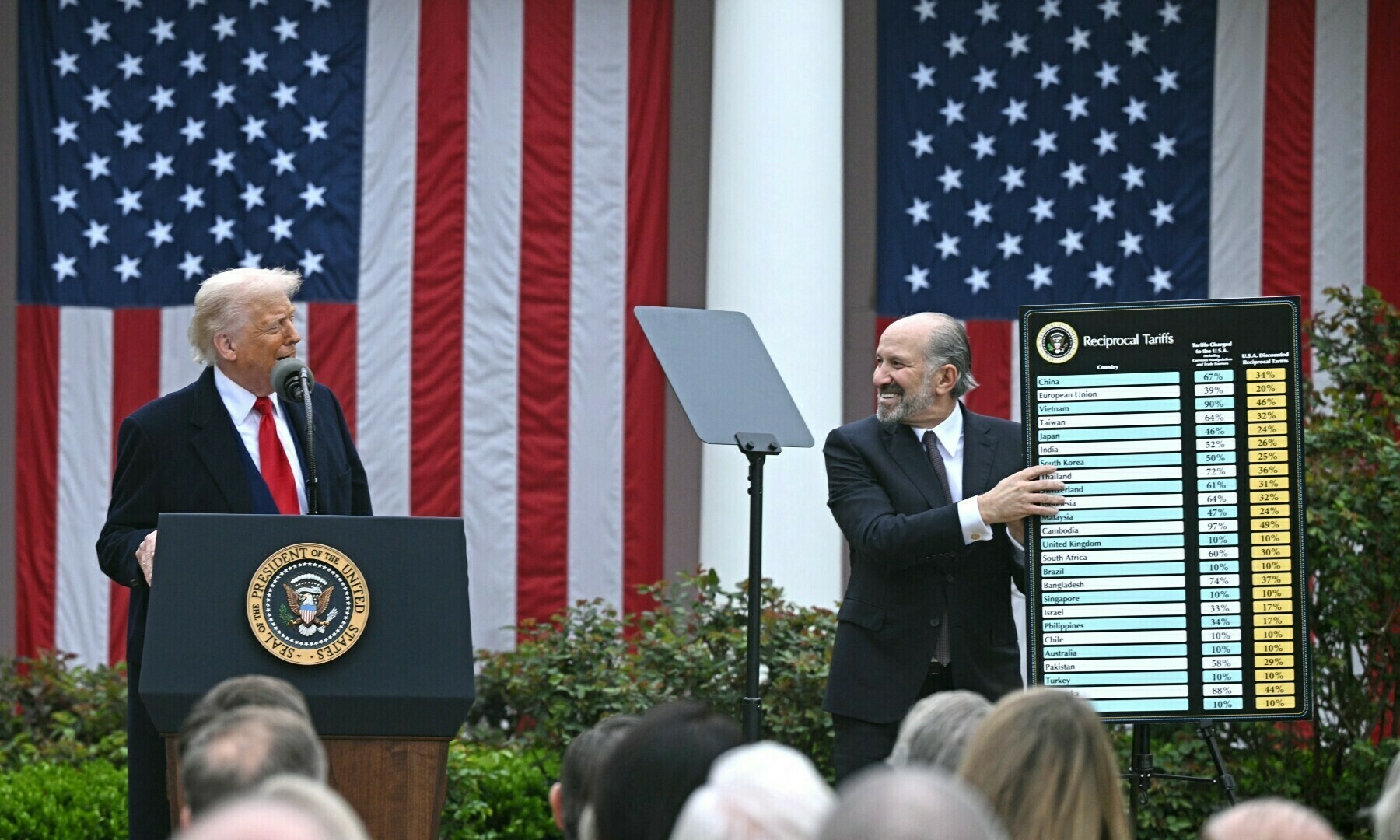


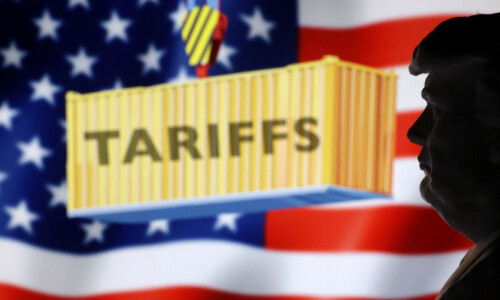
KARACHI: Multinational companies operating in Pakistan offer divergent views as some see a 29 per cent reciprocal tariff imposed by the United States as an opportunity, while others believe that counter-tariffs are not an option for Pakistan.
Overseas Investors Chambers of Commerce and Industry (OICCI) Secretary General and Chief Executive M. Abdul Aleem said “the 29pc tariff for Pakistan is still lower than many other regional countries. So it is an opportunity rather than a threat for Pakistani exporters who are willing to change their business practices.”
For one, Pakistan has the opportunity to be a conduit to process exports for high-tariff countries. A few years back, some large Chinese exporters wanted to shift their production to Karachi due to escalating labour costs, but the authorities ignored the offer, he said.
“And this and similar examples are good for boosting our exports. The question is, are we ready to change our easygoing approach and not work hard to change the economic destiny of this country?” asked Mr Aleem.
Pakistan Business Council (PBC) Chief Executive Ehsan Malik said “counter tariffs are not an option for Pakistan and neither is geopolitical leverage.”
Pakistan must redouble its efforts to maintain its duty-free access to the EU under the GSP+ programme. Pakistan’s exports to the EU far exceed those to the US. The government must address the gaps in compliance on human rights, labour rights, environmental protection, and good governance, and demonstrate compliance through monitoring and reporting.
The PBC CEO said exporters must not defocus on environmental, social and governance (ESG) or diversity, equity and inclusion (DEI), even if customers in the US are so inclined under the present regime.
“A positive impact on Pakistan’s exports is likely as US consumers of textiles downgrade to cheaper goods from Pakistan,” he said. He added that a reduction in demand due to higher tariffs is inevitable, and Pakistan would need to brace for an impact on exports.
In the short term, it would not be possible to change Pakistan’s export mix to make it possible to have a reciprocal tariff differential with China, Vietnam, Bangladesh, and Indonesia. At parity MFN tariffs, these countries were exporting more quantity, often at a higher unit price, implying a qualitative product differential which would take Pakistan time to address.
Despite duty-free access under EU’s GSP+ programme, Pakistan’s exports, including its textiles, pale against China and India, which pay full duty. Textile exporters should be examining how they can address the qualitative gap, he said.
Mr Ehsan said the government must ensure that its policies, especially on energy and taxation, support exports.
Published in Dawn, April 5th, 2025